Start With the Completed Work
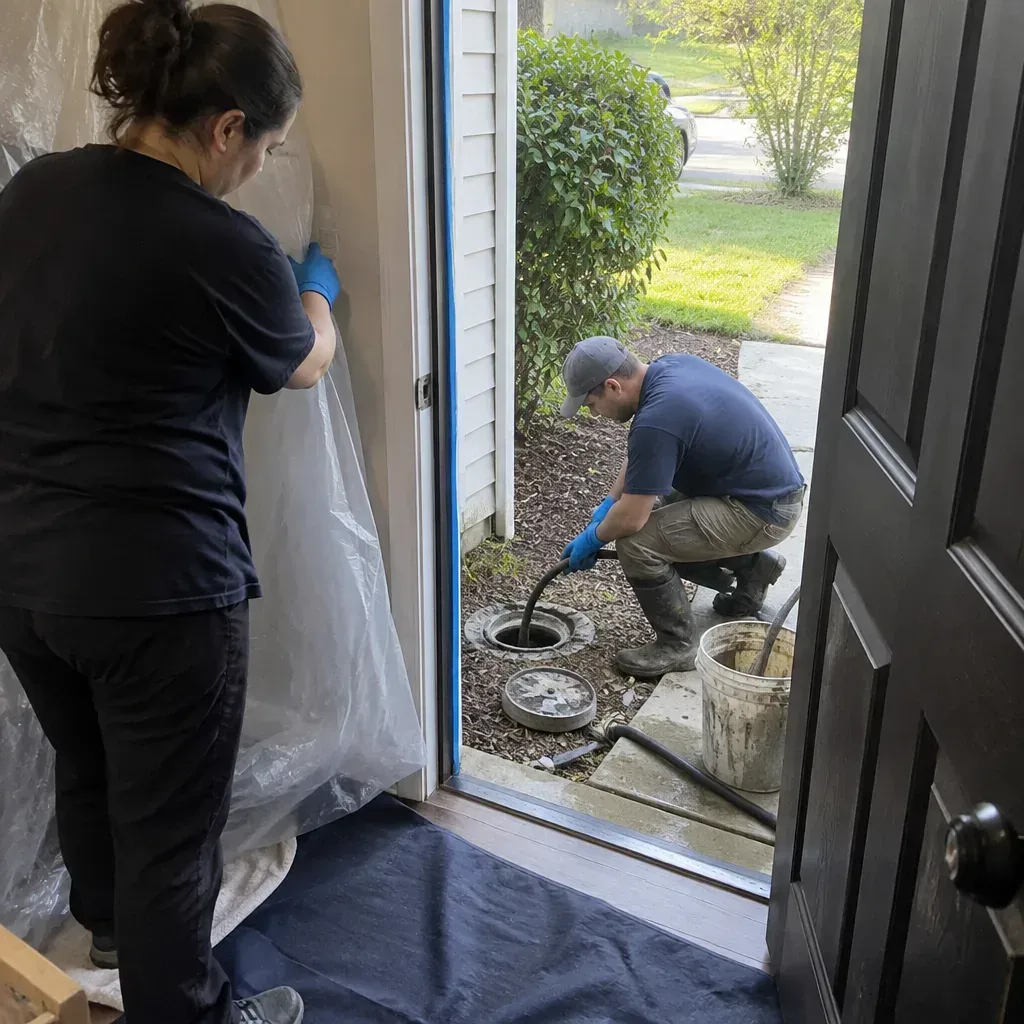
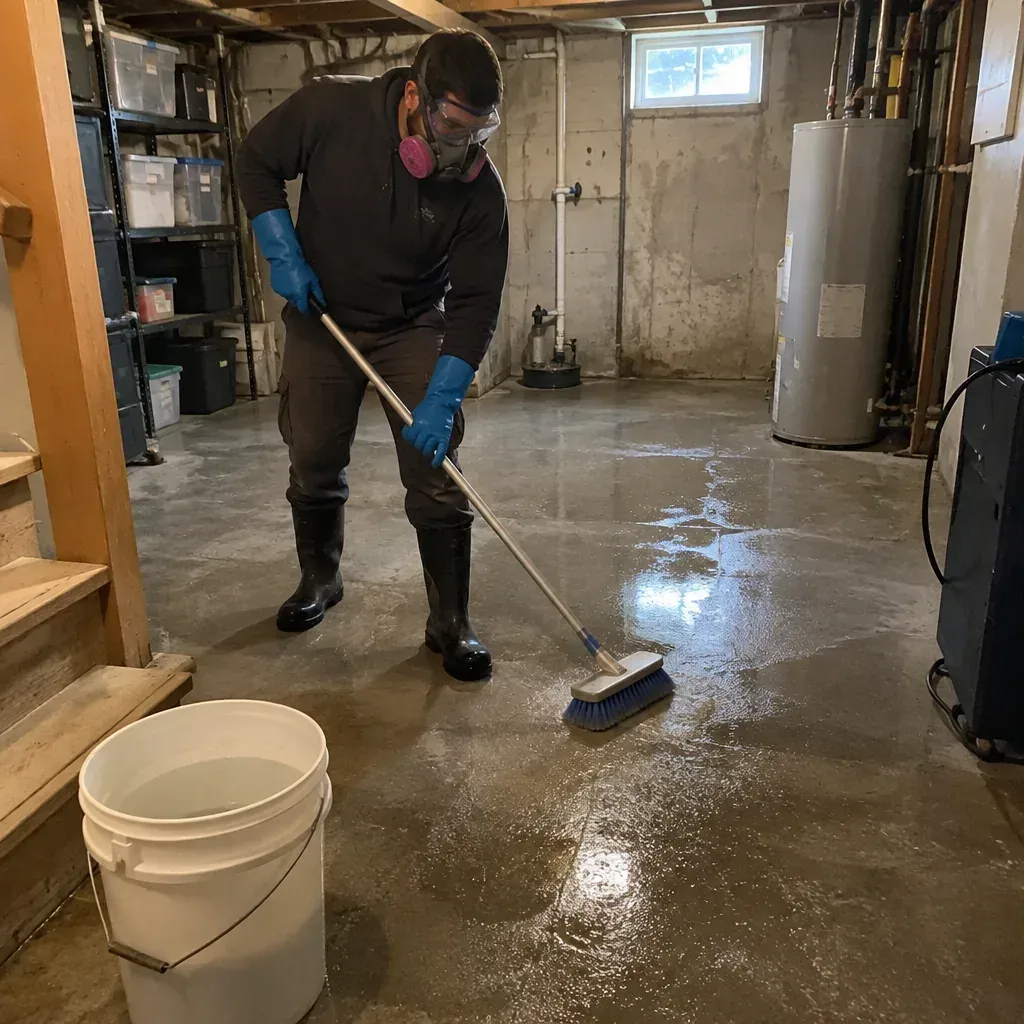
In Lawrence, a return decision should follow the work record, not a date on the calendar or proximity to Great Stone Dam. Citywide sewer information cannot tell you which system serves your home or whether it was affected. Ask the provider to account for the cleanup from where sewage reached through removal of contaminated material, surface cleaning and disinfection, and structural drying. Return only after the affected area has been addressed and the provider explains what inspection findings support using it again.
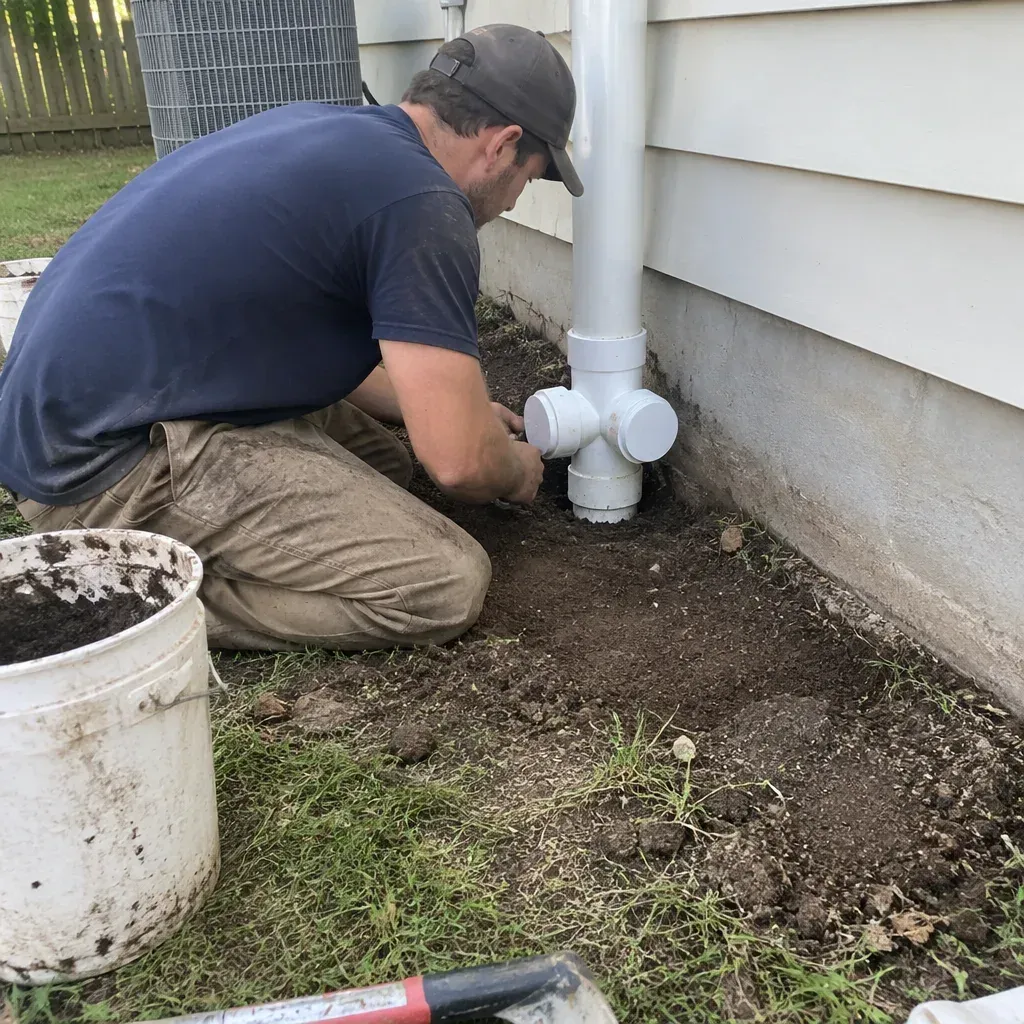
Cleanup inside a home does not diagnose or repair the pipe or other source that caused a backup. Before settling back in, ask whether that issue has been assessed and whether plumbing work remains outstanding. This matters in Lawrence, where a home near Lawrence Heritage State Park still needs an answer about its own plumbing; a city landmark or sewer description cannot establish a property's condition. If a plumber is involved, clarify which open items affect use of the cleaned area.
Resolve Plumbing Follow-Up
Walk through the completed work with the provider and compare it with the rooms and belongings you know were affected. Ask what was removed, what was cleaned and disinfected, and whether any part of the original cleanup area was outside the work performed. A home near Essex Art Center needs the same practical accounting as any other Lawrence home: a clear explanation of the areas handled. If you find a gap between the affected space and the work described, ask for it to be addressed before resuming normal use there.
Request a written closeout that names the areas treated, materials removed, cleaning and drying completed, and any task still open. Ask the provider to explain which findings support reentry and to note any limits on using particular spaces or belongings. Keep the record with your household documents so you can refer back to the agreed scope if a question comes up later. If the source of the backup required separate plumbing work, make sure the record distinguishes that work from the cleanup.
Confirm Drying and Belongings
Drying is a required part of restoring affected building materials after sewage has been removed and surfaces treated. Ask which parts of the structure needed drying, what findings the provider used to judge that step complete, and whether anything remains under review. This gives you a specific basis for deciding whether the cleaned space is ready for its intended use. If the provider identifies an unfinished area, ask what must happen before you use that part of the home.
Before bringing furniture, rugs, or stored belongings back, ask which items were assessed and whether any porous contents exposed to sewage had to be removed. Cleaning a room does not by itself establish that every item from it can safely return. Have the provider identify items that still need attention and keep them out of the cleared space until you have an answer. This separates the decision about the structure from the separate question of what can be put back inside it.
Set the Limits of Reentry
Treat reentry as a decision about the specific space you plan to use. Ask the provider to identify any rooms or sections that are ready and any that still have unfinished cleaning, disinfection, or drying. That distinction matters if the affected area crosses several rooms or includes stored spaces; a general statement about the home may not answer whether each part is ready. Use the provider's description to guide where you resume ordinary activities and where you should wait for follow-up.
Before you return, ask what work is finished, which affected areas were handled, and what findings support using them. Then confirm whether plumbing or other follow-up remains and whether any belongings need separate attention. If an answer is unclear, ask the provider to explain it in plain language and record the open item. These questions give you a practical basis for sewage cleanup reentry in Lawrence, without relying on a fixed number of hours or days.
Dealing with a sewer backup in your home?
After a backup in Lawrence, keep people and pets out, then note affected rooms and materials from a safe, dry spot. Citywide sewer information or landmarks such as Horn Pond Reservation and Forest Park cannot show your home’s connection or explain the cause. Ask the pros we connect you with whether they serve your address, what cleanup may involve, when a visit might be available, and whether an assessment has a charge. They can discuss sewage removal, material decisions, cleaning, disinfection, and drying. Have a plumber diagnose and repair the source; ask a qualified provider to assess the cleanup scope safely.