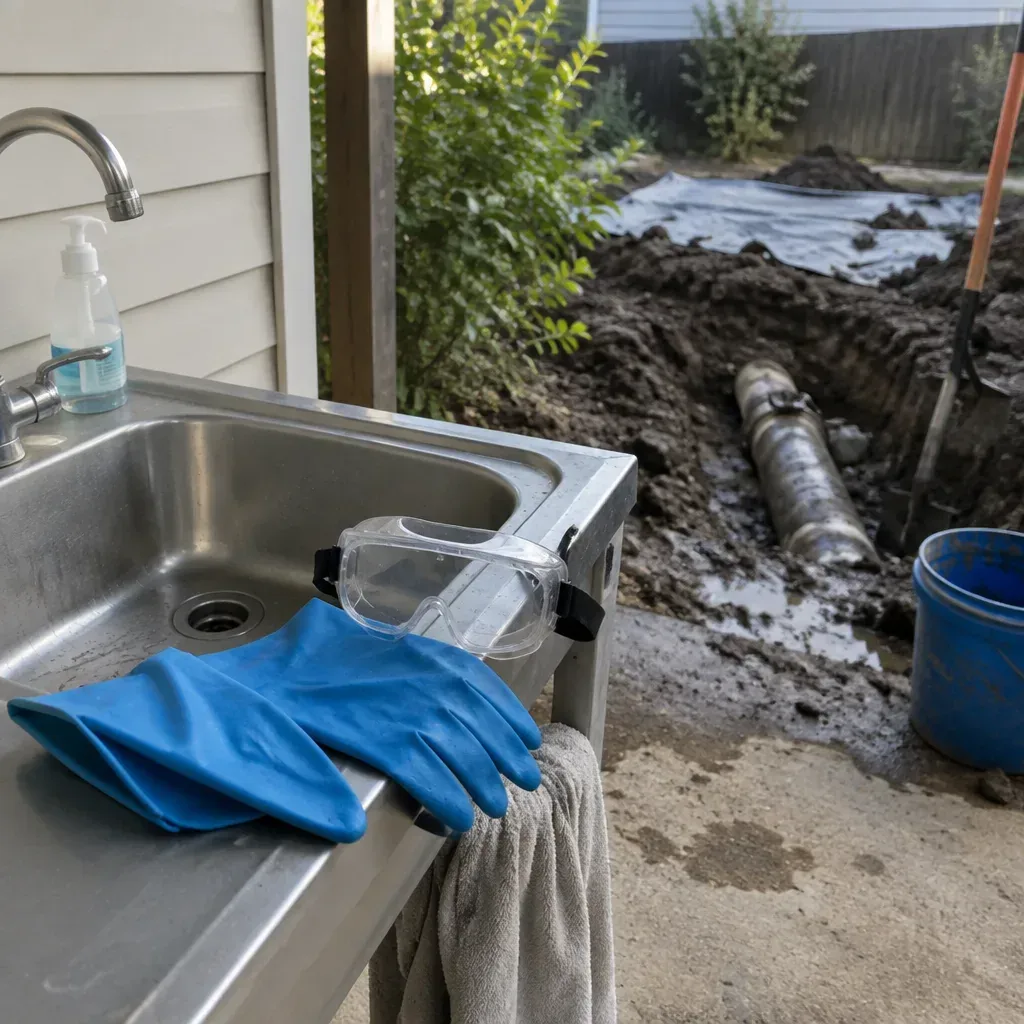
Basement Sewage Cleanup
Keep basement contamination contained while cleanup and drying move forward.
View Basement Sewage Cleanup help in Lawrence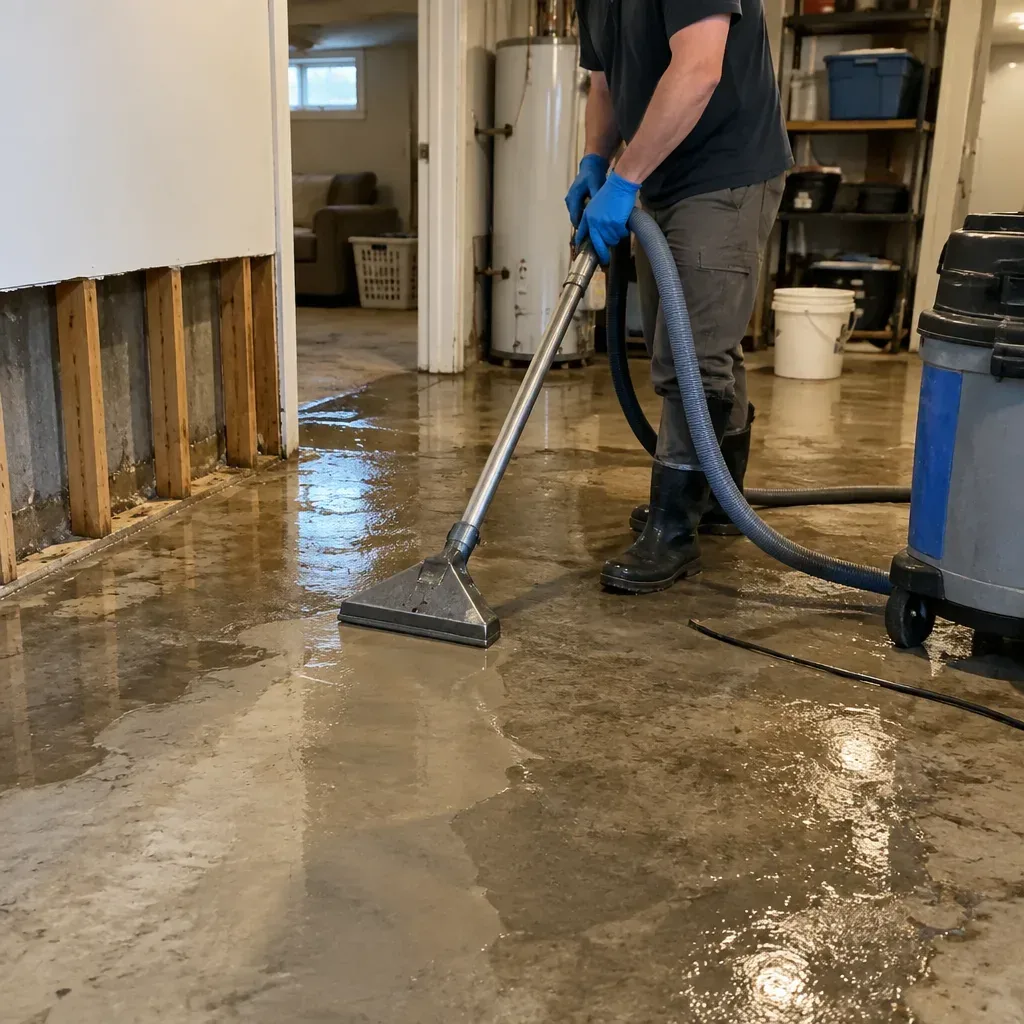
Keep contaminated shoes and clothing separate to avoid spreading sewage into clean areas. Lawrence’s wastewater records describe sanitary and combined sewer infrastructure, but cannot identify a property’s connection or explain an individual backup. Check nearby floors and walls for contamination beyond the visible sewage so cleanup covers all affected surfaces. The pros we connect you with can clean and disinfect remaining surfaces, treat odor, and dry building materials. Line diagnosis and repair belong to a plumber.
Once sewage is inside, the next steps depend on its path through the building and what absorbed it. In Lawrence, the pros we connect you with can separate the affected work zone, remove wastewater, and assess flooring, wall materials, and belongings. Floor joints and gaps around fixtures can give wastewater routes into concealed spaces. Moisture beneath finished flooring can slow drying even when the visible surface looks clean. That review sets the work scope for the rooms and materials actually affected.
Surfaces that remain need cleaning and disinfection before structural drying; absorbent materials may need to be removed if sewage reached them. Residue can remain in seams and corners after the visible wastewater is gone. Keep cleanup and sewer repair as separate tasks: a plumber can investigate the line or another source of the backup, while cleanup addresses conditions inside. Photos and notes about damage and cleanup steps can help document an insurance claim, but your policy determines coverage.
Homeowners can review the residential approach at Sewer Backup Cleanup; landlords and business operators should follow commercial sewer backup cleanup for cleanup in spaces they manage.
The information below covers cleanup steps and related services to help guide your conversation with a service professional.
Keep basement contamination contained while cleanup and drying move forward.
View Basement Sewage Cleanup help in Lawrence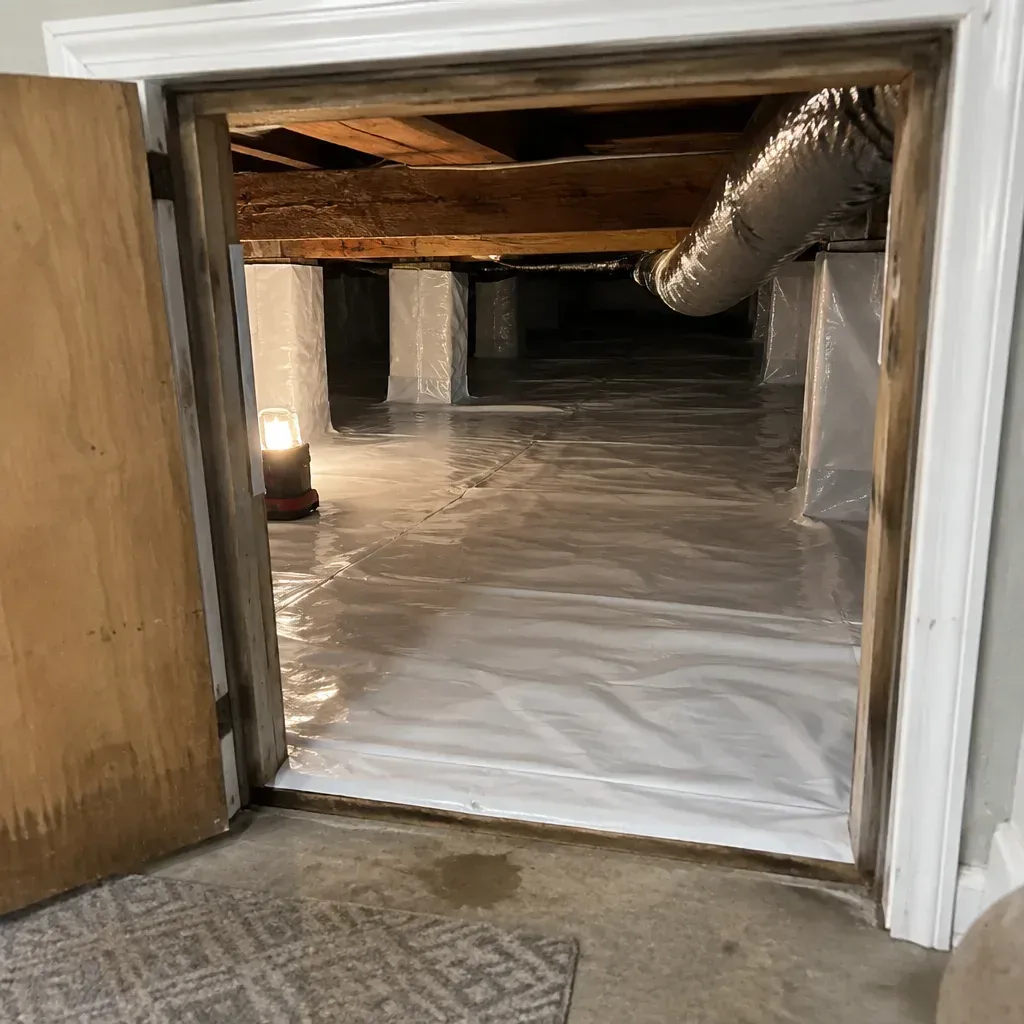
Keep out while sewage is removed and the crawl space is cleaned and dried.
View Crawl Space Sewage Cleanup help in Lawrence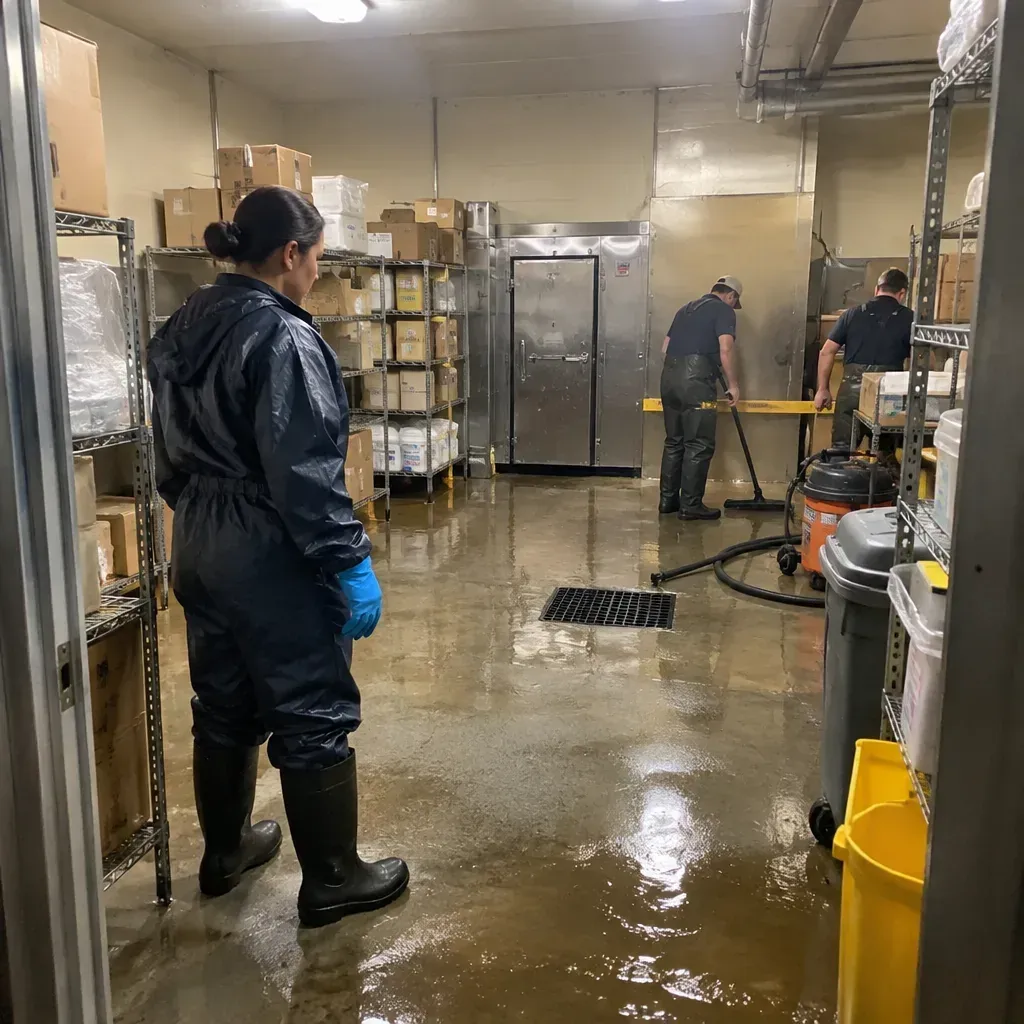
Describe the spread, then ask a cleanup provider what the affected rooms need.
View Toilet Overflow Sewage Cleanup help in Lawrence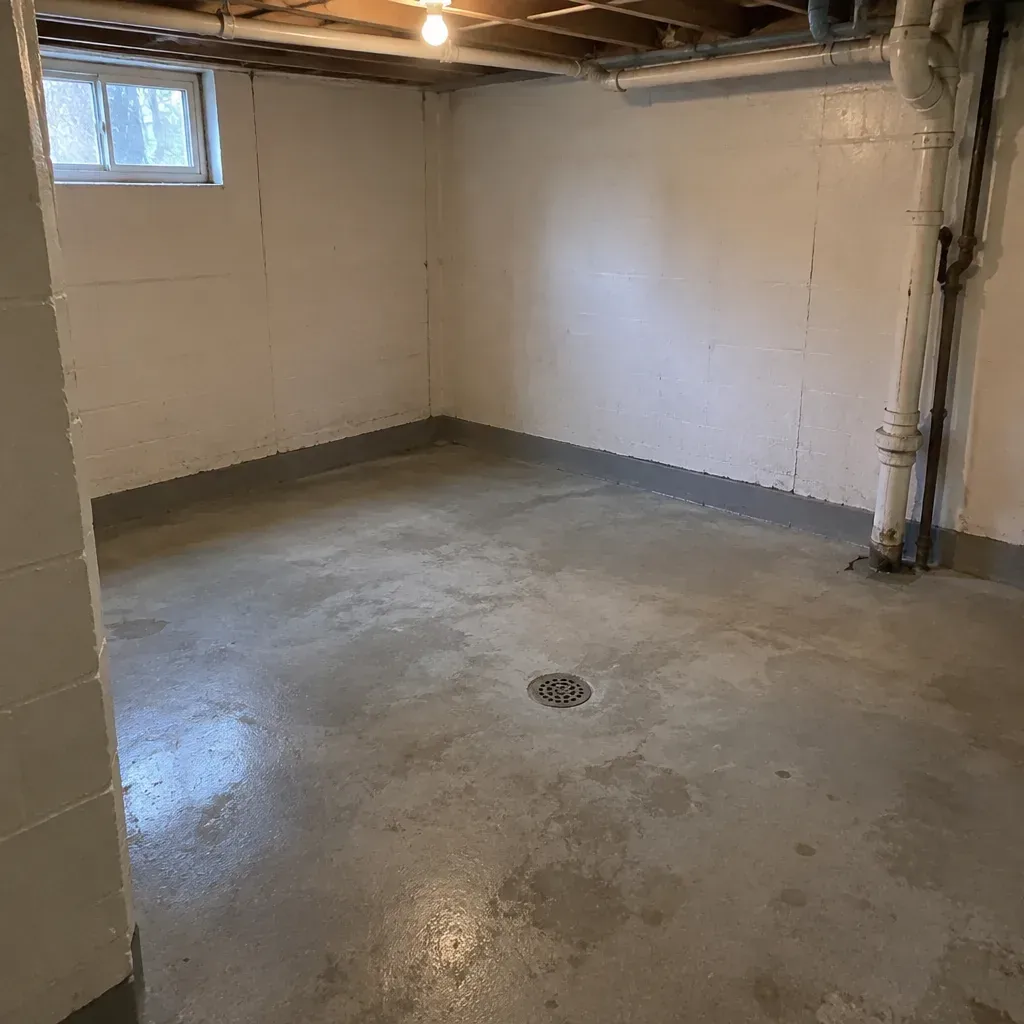
A careful cleanup traces sewage from the Lawrence floor drain into affected materials.
View Floor Drain Sewage Cleanup help in LawrenceThese guides lay out cleanup choices, material concerns, and the information that can help shape a discussion.
Learn how keeping clean spaces apart, sewage removal, surface treatment, and drying shape the work.
The guide can also explain why cleanup may involve more than removing visible water.
Ask the provider to define unfamiliar language in the contamination findings, cleanup description, or structural drying plan.
Note where sewage appeared, which surfaces or items it reached, lingering smells, and damp spots to discuss cleanup.
Call for cleanup if sewage has spread into rooms or soaked building materials; the affected space needs assessment and treatment. A plumber handles the pipe or blockage behind the event. In Lawrence, city records describe both sanitary and combined sewer infrastructure, but that does not show what serves your address. If you are unsure, describe what you see indoors and ask which work addresses the source and which addresses the affected rooms.
Yes. Drying affected areas can also be part of the cleanup work. Tell both providers what areas were affected, then coordinate access and the order of work so repairs do not interfere with cleaning or drying. If the cause is not yet resolved, ask how that affects the cleanup sequence. Each provider should clarify which part of the job they are handling.
The work starts with assessing where sewage traveled and separating affected rooms from clean areas. Separating affected rooms from clean areas helps limit contact with contamination during cleanup. Odor treatment may also be needed. The assessment guides what is removed and what can stay; the condition of each material matters more than what is visible on the floor.
Yes. Cleanup and drying can be coordinated as one project. In Lawrence, the work moves from removing sewage and affected materials to cleaning, disinfection, and checking what moisture remains in the structure. Drying then targets those damp building materials, since moisture left behind can continue to affect them after the visible mess is gone. Ask the pros we connect you with how they will track drying and what conditions they use to decide the work is complete.
In Lawrence, first check whether wastewater is still entering; if it is, the source needs attention before the affected space can be fully restored. Then note how far it traveled and whether it reached flooring, wall bottoms, or belongings. Belongings in the affected area may require attention alongside building materials. A contained area may need less work than sewage that spread into adjoining rooms.
For a Lawrence property, the visible waterline may not show what happened beneath a floor covering or along a wall edge. Describe each affected room and the materials that came into contact with sewage, then ask how the proposed work will contain the area and extract the sewage. Have the pros we connect you with explain which items need removal, what surfaces will be cleaned and disinfected, whether odor treatment is included, and how they will dry the structure. Ask whether any rooms should remain closed while the cleanup work is underway.
Call (978) 501-8011