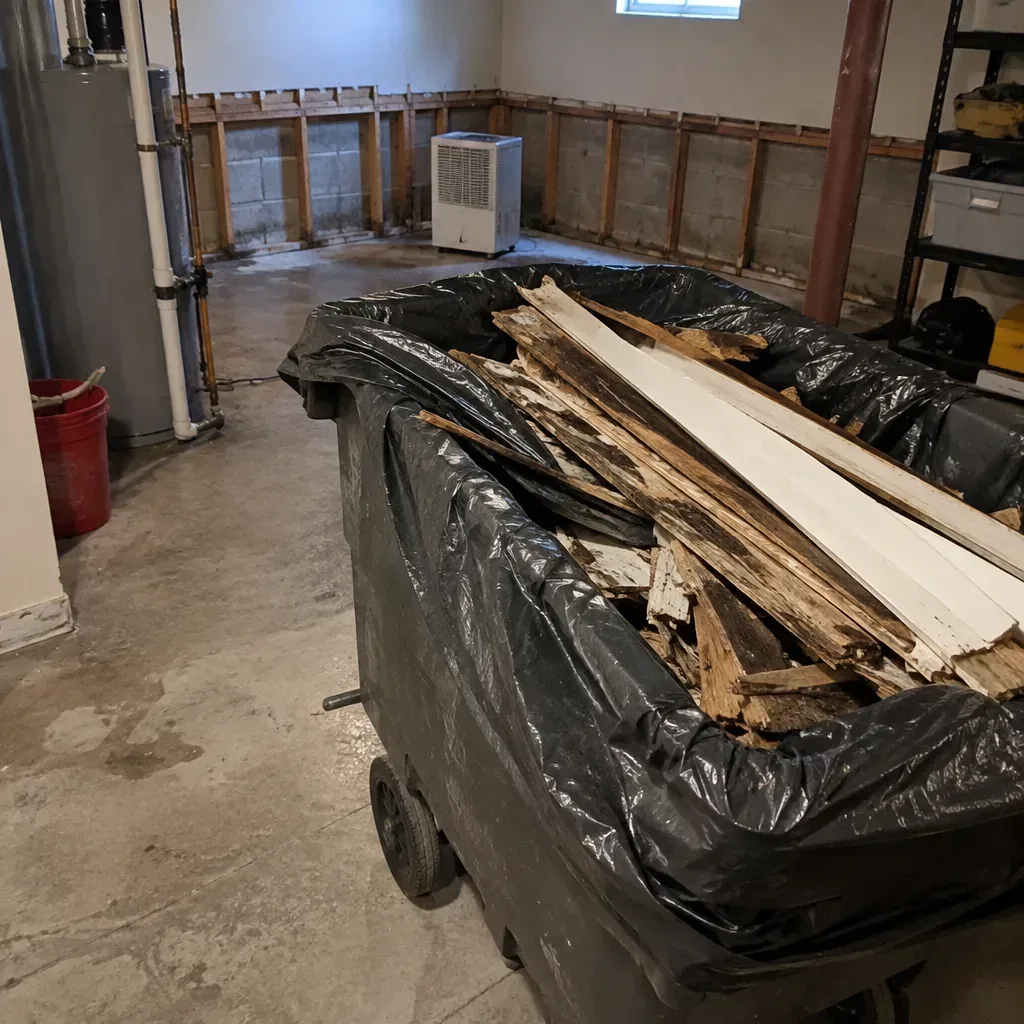
What Moisture Leaves Behind
Lawrence's industrial story is visible around Lawrence Heritage State Park and Essex Art Center, while Great Stone Dam marks its river history. The cleanup also depends on which household items came into contact with the sewage.
Lawrence's history follows the Merrimack River and its canals, with Great Stone Dam among the city's landmarks. This setting describes the city, not a home's sewer arrangement. For a house near Route 236 or Winnekenni Park, floor cleanup still depends on what sewage reached indoors.
Across Lawrence and Essex, some calls may come after wet weather, when stormwater adds pressure to combined sewers in older parts of Lawrence. A municipal overflow is a system event; by itself, it does not tell you whether sewage entered a particular building.
Drying Affected Building Materials
- ENTRY PATH
- Sewage can reach concealed floor layers through board joints, tile edges, thresholds, or gaps around fittings.
- FLOOR LAYERS
- The finish floor and the material below it may absorb sewage differently, so each layer needs its own assessment.
- AREA CONTROL
- Wood-based underlayment can hold residue below a surface that appears dry and clean.
- MOISTURE CHECK
- A damp patch in an adjoining room can point to movement beneath a doorway or along a floor edge.
- PLUMBING
- Lingering odors or visible residue can point to indoor areas that still need cleaning.
- Network Context
- Lawrence's cold season can slow indoor drying, while heated rooms may dry the finish before moisture below it is gone. Warmer, humid periods can also affect drying; concealed layers need assessment in any season.
- CLEANING PLAN
- an estimated $3,500–$6,500
Clues From a Household Pipe Leak
Ordinary water damage can also leave a dark seam, raised board, or soft patch. The visible changes may look alike, but only the backup history and an assessment can establish whether sewage contacted the layers below. A known sewage backup changes the assessment: the question is whether wastewater reached the floor assembly. A household water spill can also warp a board, but appearance alone cannot establish sewage contact; the event history and inspection provide that distinction.
Keeping Cleanup Work Within Its Boundary
The pros we connect you with first review where sewage surfaced, then check seams, transitions, and floor openings that could have let it underneath. They establish a contained work area and examine the flooring assembly in a controlled way. The material and contact pattern help identify which sections need to be taken out for safe access.
The licensed pros we connect you with can check whether affected materials are ready for the next repair step. They then dry the exposed structure and monitor moisture in concealed areas, since a dry finish alone cannot show whether the layers below have dried.
First confirm the discharge has ended; cleanup cannot close out while new wastewater is arriving. A limited, reachable area may be cleared in one visit when affected contents and surfaces can be treated and moisture checked. Material removal or continued drying can extend the plan. Restoring the sewer line is separate plumbing work.
THE LINE BETWEEN CLEANING AFFECTED AREAS AND REPAIR
| Cleanup Scope |
Assess Affected Materials |
|---|
| Shallow intrusion, minor finish damage | Surface disinfection |
| Sewage residue returning on treated surfaces | Surface disinfection |
| Backup residue leaves no clear clean boundary | Extract sewage, clear tainted contents, disinfect, dry |
Have a Plumber Trace the Backup Source
Keep everyone out of the affected room, including pets. From a clean area, write down where the backup appeared and which floor joints, thresholds, or neighboring rooms show changes; photographs can help record the condition. Do not lift boards, cut flooring, or handle debris. Leave the opening and removal decisions to a cleanup professional.
Health Concerns After Sewage Contact
Sewage under a floor can leave germs on materials that look clean from above. Contact with contaminated residue can expose skin, eyes, or cuts, and opening the floor can disturb debris. Stay clear while the area is assessed and cleaned; cleanup workers use protective precautions suited to sewage. Avoid touching the floor or moving items through the affected room.
How Long Must Building Materials Dry?
Have the pros we connect you with explain how contamination spread, what can stay in place, and which cleaning and drying tasks shape the written scope.In Lawrence, the guide range covers cleanup when sewage reaches absorbent materials that may need removal; assessment determines what must come out before remaining surfaces are disinfected and dried. It excludes sewer-line diagnosis or repair. Confirm any visit charge and the written scope for affected areas with the pros we connect you with before arranging cleanup.Consult the pricing guide to see the full span and how removal or drying affects scope.