Cleanup Process
How Sewer Backup Cleanup Works in Lawrence, MA
Review extraction, material disposal, disinfection, and drying approaches, then prepare questions for a provider. Confirm service coverage with the pros we connect you with.
SAFE REENTRY
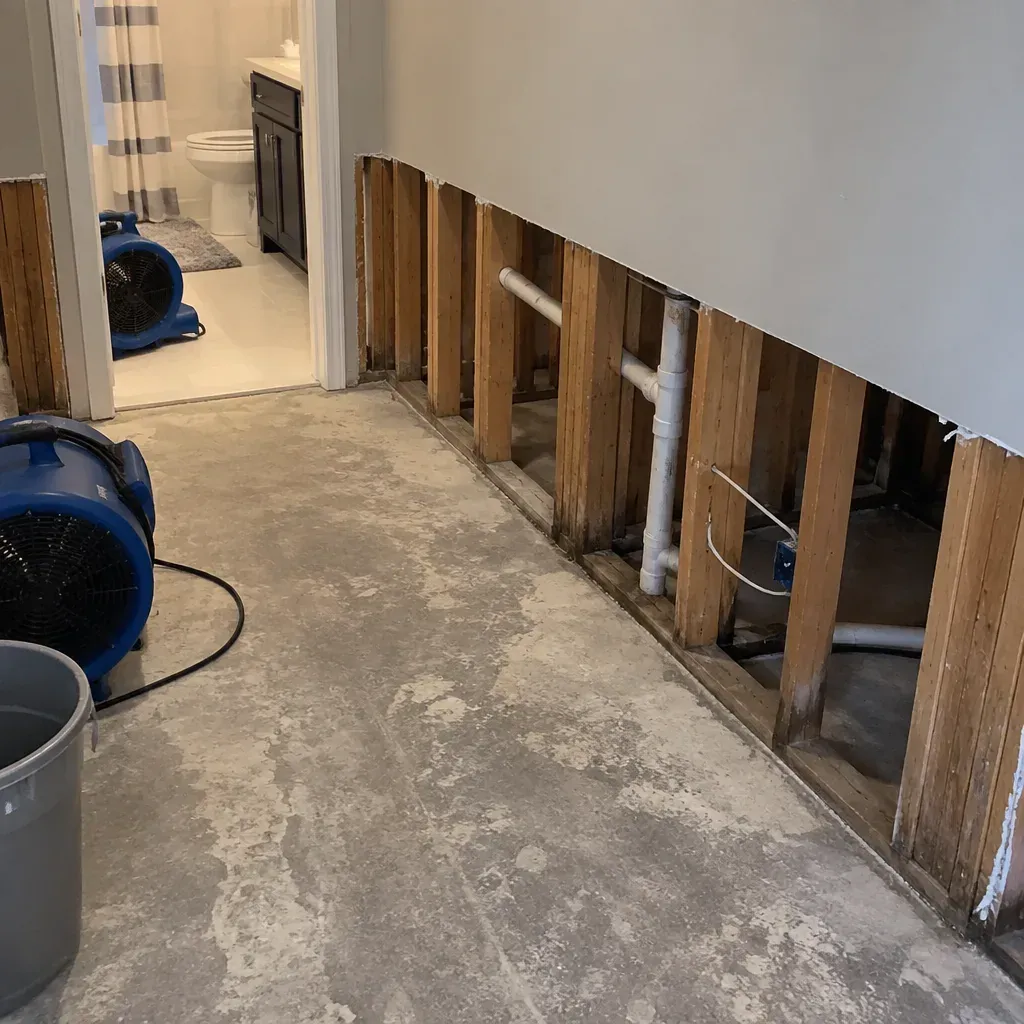
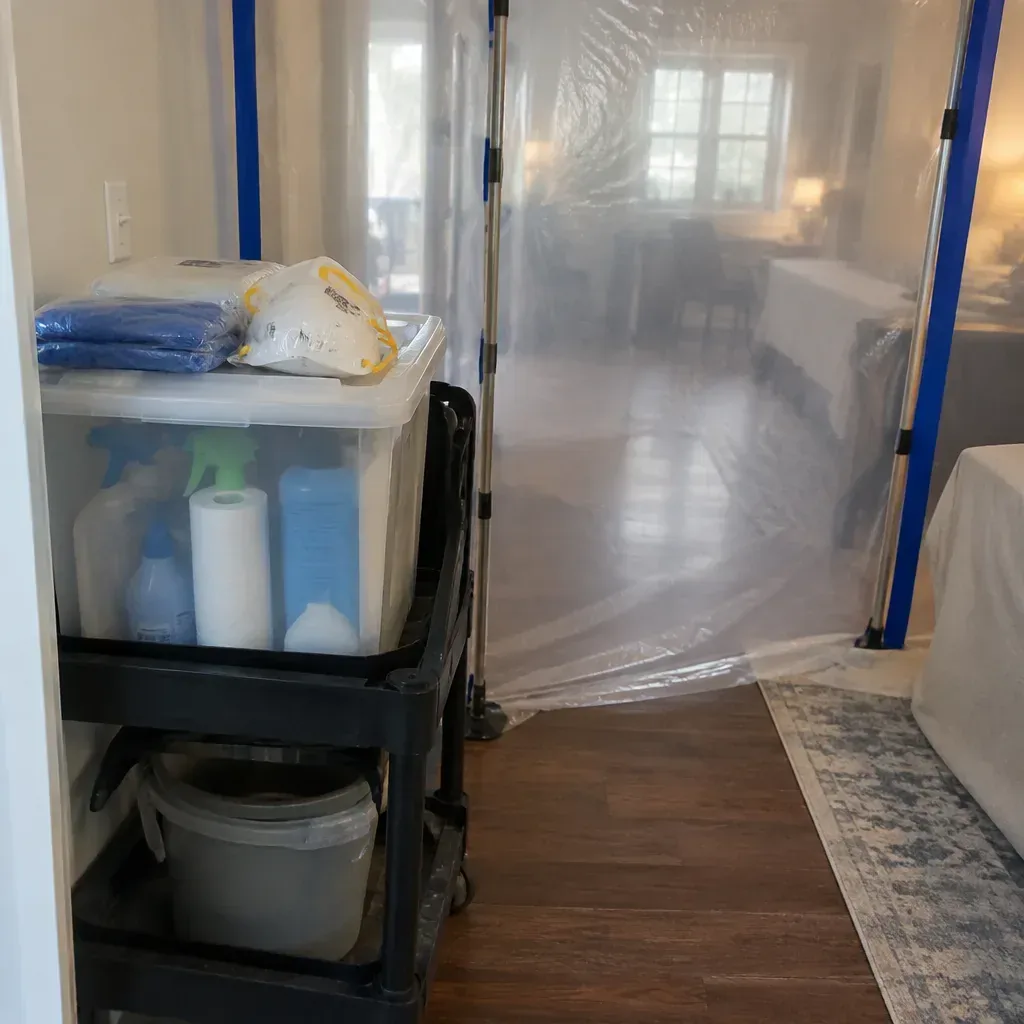
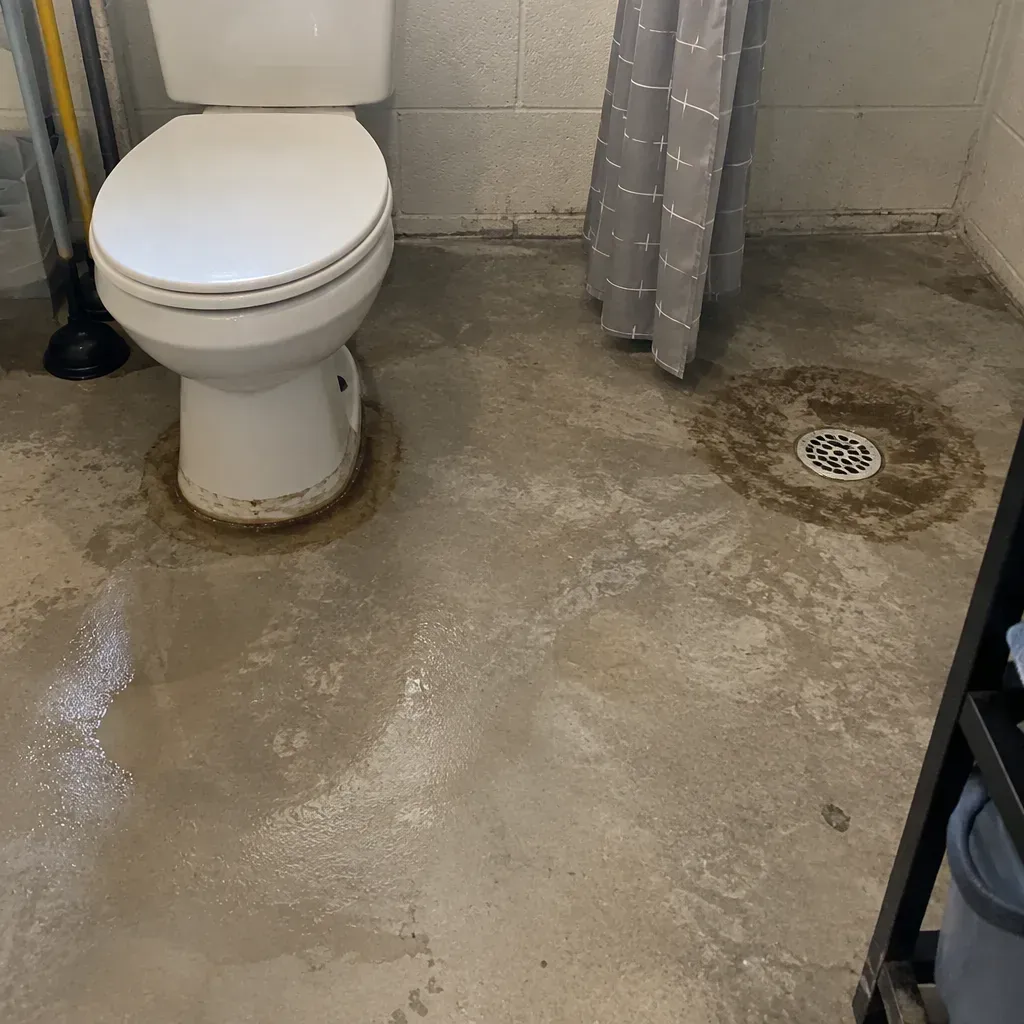
What sewage touched guides the work more than the product name on a material. Carpet, wallboard, insulation, and belongings absorb or hold contamination differently, so some may need removal while others can be cleaned. The assessment considers the contact and whether safe cleaning is practical.
A written scope can group related cleanup tasks. Check whether extraction, disposal of affected materials, disinfection, odor treatment, and drying are included together or charged separately, and settle the charges before work starts.
Need to Know
Common Questions
What should I ask about the tools planned for sewage cleanup?
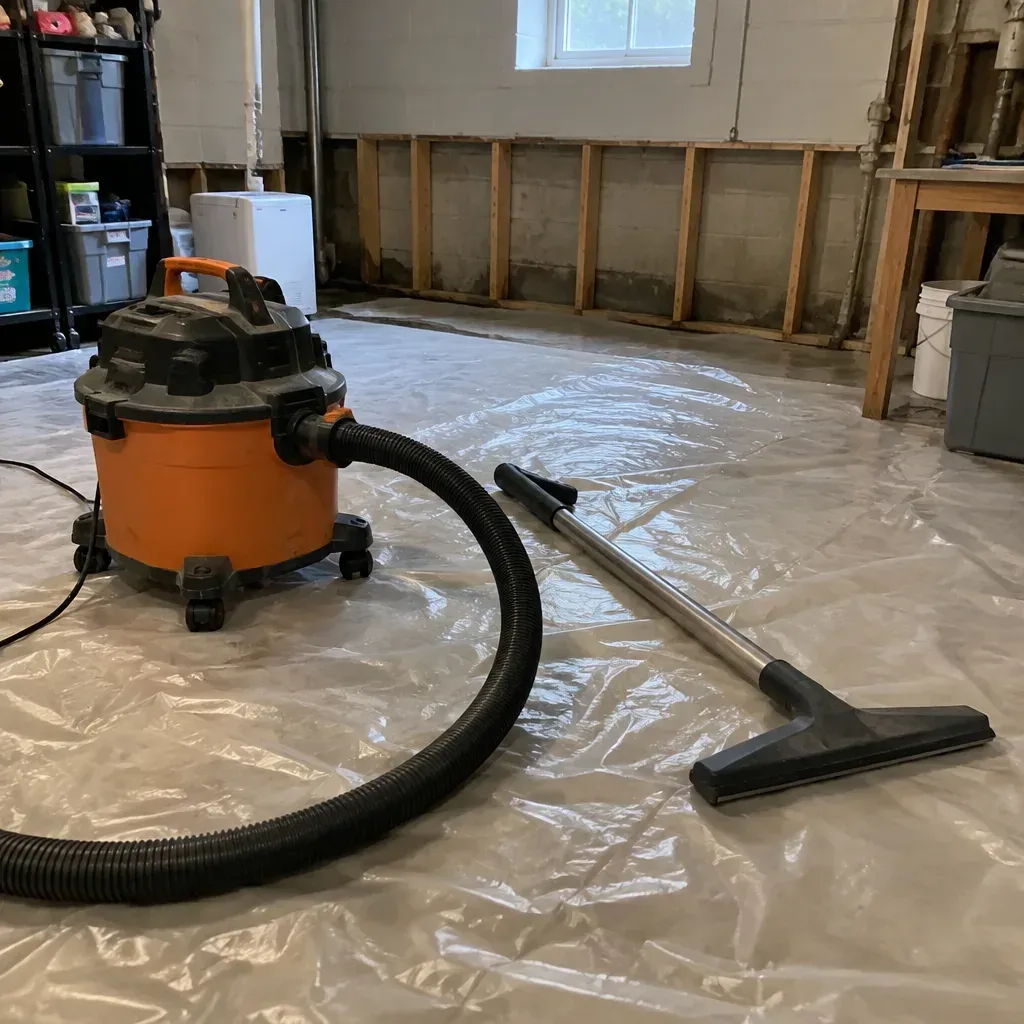
Ask the pros we connect you with which tools they plan to use for extraction, cleaning, and disinfection, and what each one is meant to do. Equipment can change how sewage is removed and how surfaces are treated, but its brand alone does not establish the scope of work. For a Lawrence home near the Clipper City Rail Trail or elsewhere, the plan should reflect the conditions found inside.
How do cleaners decide which sewage-exposed materials must go?
An inspection should check beyond the visible spill to identify the full affected area. Absorbent materials may need to be discarded if contamination cannot be removed; suitable surfaces may be treated in place. Ask the provider to explain the reason for each removal decision. Being near Essex Art Center does not indicate what was affected inside a particular Lawrence home; only an inspection can establish that.
What decides how much structural drying a sewer backup needs?
Drying depends on which building materials became wet and how far moisture reached within them. After extraction and surface cleaning, the provider can assess affected floors, walls, and concealed spaces, then explain where drying is needed. A Lawrence home near Great Stone Dam does not have a drying plan based on its location; the condition of its own structure guides the work.
Will cleanup workers also clear or repair the sewer line?
No. Damage inside the building can remain a concern after the plumbing issue is corrected. A plumber investigates the line and handles clearing or repair. Clearing the line alone does not clean contaminated contents or affected surfaces. You may need both kinds of work.
Request Help
Not sure what kind of backup you have?
Keep receipts and photographs with any records requested for an insurance claim. Ask the pros we connect you with to explain the cleanup scope, removal, disinfection, drying, and charges.
Call (978) 501-8011