What Moisture Leaves Behind
A storm-related basement backup calls for assessing the affected area and possible sewage exposure. Heavy rain can add stormwater to combined systems and contribute to overflows. That citywide context helps explain why storm timing matters, but it does not establish a home's sewer type or backup history.
The Merrimack River and Great Stone Dam are part of Lawrence's local setting, while Lawrence Heritage State Park helps orient the city. These landmarks do not identify a property's sewer route or flood exposure. For a specific home, the observed entry point and a site assessment matter more than nearby geography.
A Lawrence mailing address does not establish whether a cleanup provider serves the property, and county lines may not match service areas. Share the building’s location with the pros we connect you with so they can check availability before discussing the affected interior.
Cleaning and Disinfecting Surfaces
- Keep Back
- Lawrence documents sanitary and combined sewer infrastructure, including storm-related CSOs; citywide records do not establish a home's sewer connection.
- Water Reach
- The route water takes across the floor can help show which surfaces were affected.
- Material Review
- Cleanup records can track the work completed and materials removed.
- Drying
- Note cleanup steps and affected items in your records for later reference.
- Source Inquiry
- Keep the room out of use until assessment and cleanup are complete.
- Material Review
- Heavy rain can add stormwater to combined sewers and contribute to overflows. In Lawrence, that wet-weather context makes storm timing useful to record, but the season alone cannot show whether a particular home experienced a sewer backup.
- CLEANING PLAN
- an estimated $2,700–$6,800
When Rainwater Finds Another Route
A city overflow notice. Lawrence reports storm-related combined-sewer overflows, but a system notice records a public event, not sewage inside a home. A property assessment must establish whether indoor materials were affected. Stormwater entering from outside generally crosses a threshold or comes through an opening; sewage may rise from an indoor drain or fixture. Record where water first appeared and the route it took. Entry location helps guide assessment, though appearance alone cannot confirm the source.
Separating Indoor Restoration From Line Repair
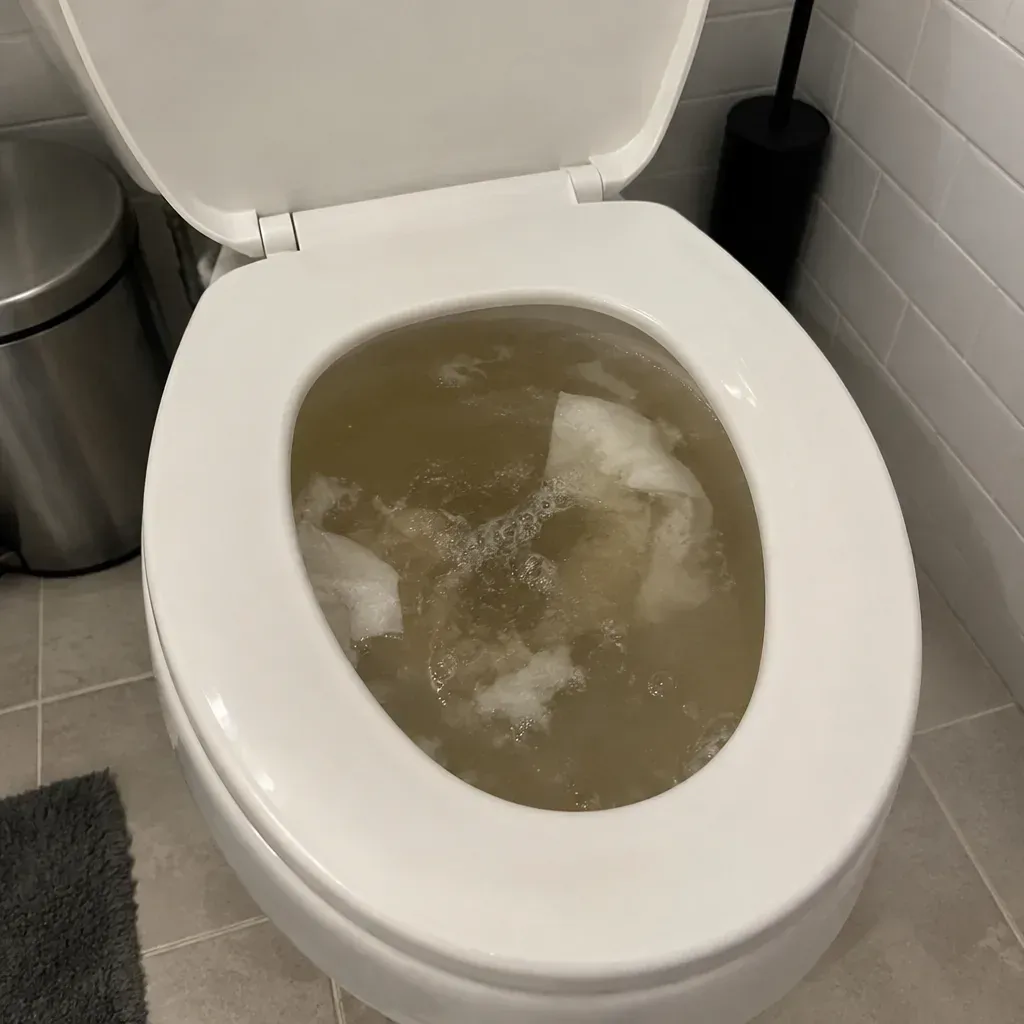
The pros we connect you with assess how much standing wastewater collected and where access is clear, then remove it with suitable extraction equipment. They account for debris gathered around floor drains and low points. Wastewater can leave residue on surfaces even after the visible water is gone.
Once the affected surfaces have been cleaned and disinfected, the pros we connect you with check which building materials still hold moisture and direct drying there. This helps limit lingering dampness in floors and walls. Near the Merrimack River or elsewhere in Lawrence, the drying plan depends on the materials and conditions found inside the home.
First confirm the discharge has ended; cleanup cannot close out while new wastewater is arriving. A limited, reachable area may be cleared in one visit when affected contents and surfaces can be treated and moisture checked. Material removal or continued drying can extend the plan. Restoring the sewer line is separate plumbing work.
WHERE CONTAMINATION WORK ENDS AND BUILDING TASKS BEGIN
| Cleanup Scope |
Assess Affected Materials |
|---|
| Brief overflow, contents largely spared | Sewage extraction |
| Wastewater traces resurfacing after cleanup | Structural drying |
| Contamination crosses contents and finish layers | Lift sewage waste; remove affected items, sanitize, dry |
Protect People and Pets From Sewage
Do not enter standing water or touch soaked belongings; sewage may contaminate both, and wet electrical equipment adds danger. Keep household members and pets away, and avoid using plumbing that is backing up. From a dry spot, record visible waterlines and affected rooms. Leave removal, cleaning, and disinfection to the pros we connect you with.
Safer Conditions During Cleanup Work
Sewage can carry germs that make contact with wet floors, splashes, or contaminated belongings unsafe. Keep children and pets away, and do not enter the affected space to retrieve items or move debris. Contaminated belongings can pose a risk too, so leave them in place until cleanup. If you are unsure whether water contains sewage, treat it as contaminated until its condition is assessed.
What Must Be Isolated Before Work Starts?
Request a written estimate linking the cleanup area and disposal decisions to surface treatment, odor work, and how much building material needs drying.In Lawrence, the guide range covers cleanup when sewage reaches absorbent materials that may need removal; assessment determines what must come out before remaining surfaces are disinfected and dried. It excludes sewer-line diagnosis or repair. Confirm any visit charge and the written scope for affected areas with the pros we connect you with before arranging cleanup.Check the pricing guide for complete cleanup ranges and details that can change the work.