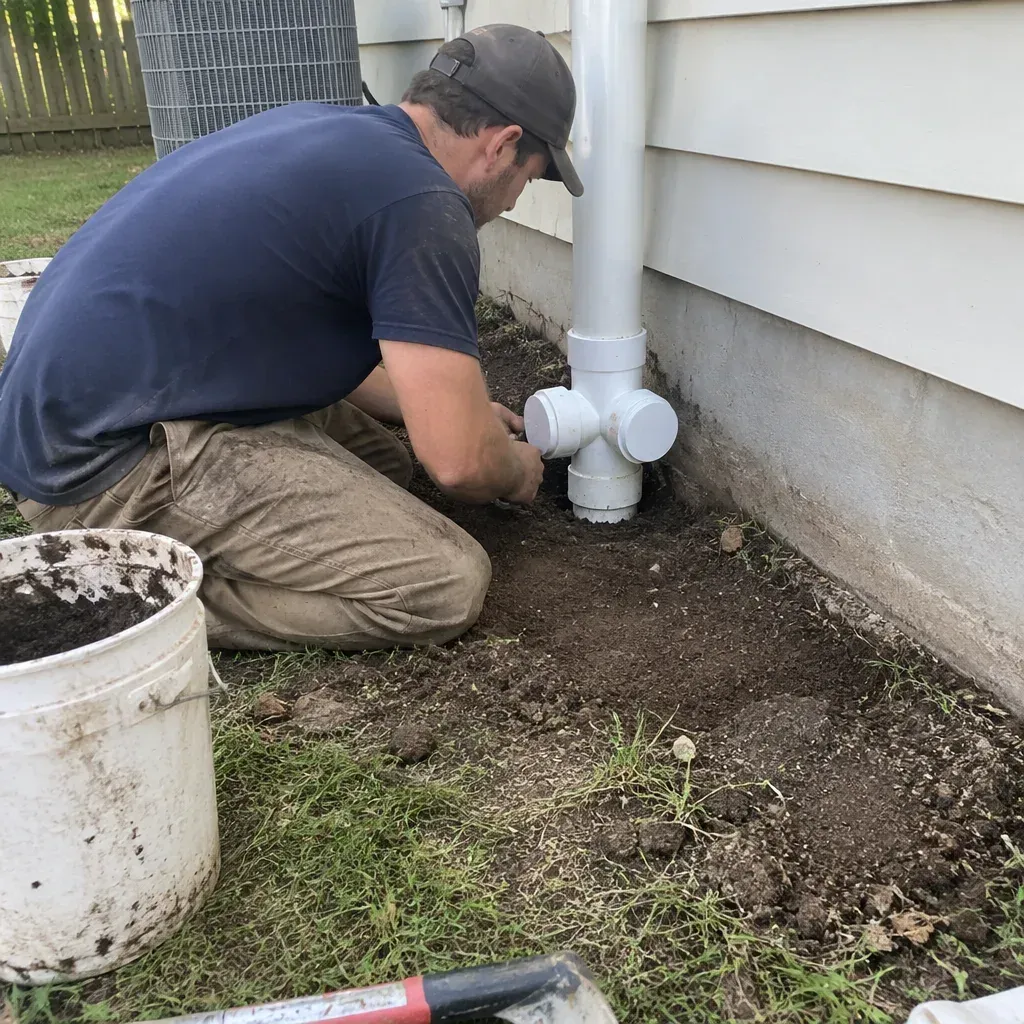
Returning Home
Ask the licensed pros we connect you with how to keep contamination from spreading as you prepare to return. Learn how completed work, inspection findings, drying, and remaining tasks guide reentry.
Read article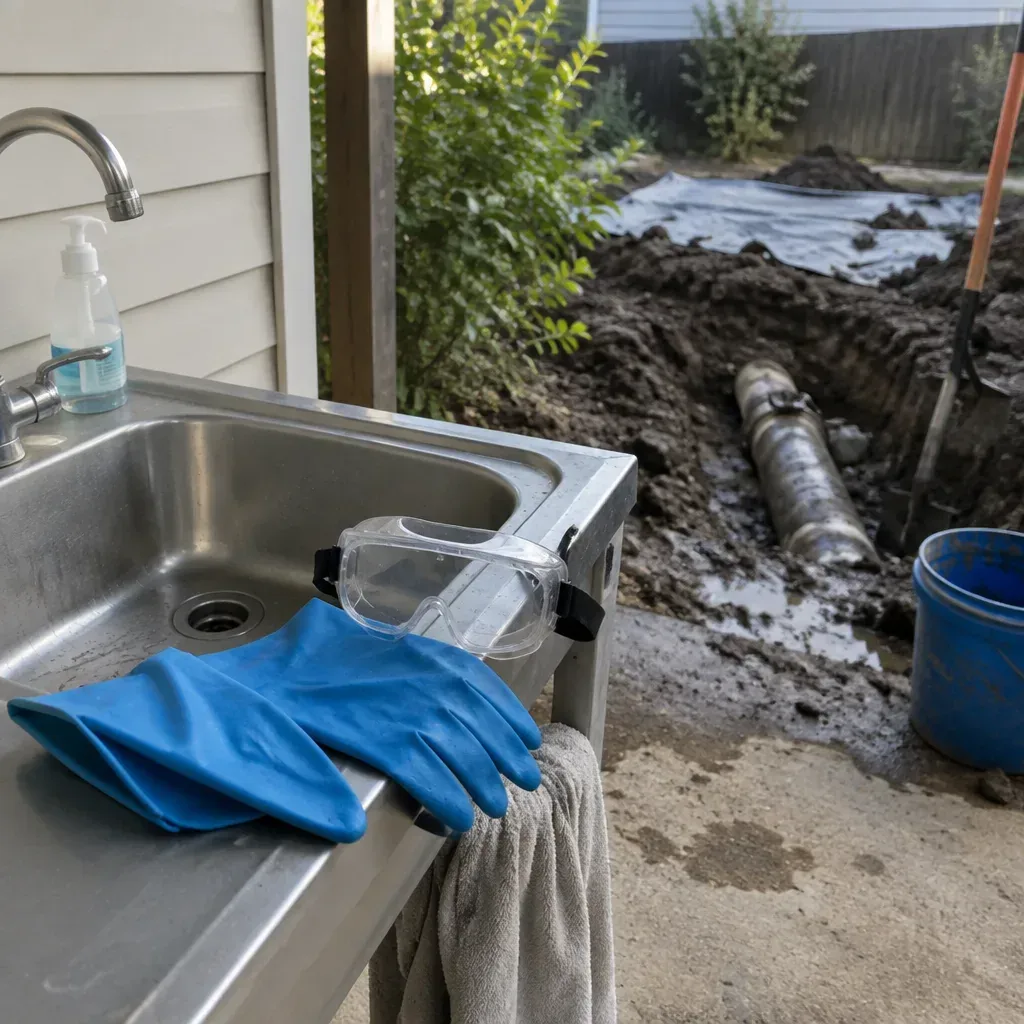
Keep basement contamination contained while cleanup and drying move forward.
After heavy rain, sewage at a basement floor drain or pooling at the room’s low point deserves prompt attention. A wet trail leading away from the drain can show that sewage spread beyond the first visible pool. Look for a dark tide mark on concrete, grit caught in floor seams, or damp stored items. Note how far the water reached and whether it touched finished walls before moving anything. Photos of the boundary can preserve a useful record before cleanup changes it.
In Lawrence, the pros we connect you with trace how far sewage traveled through the basement, then contain the affected space and extract contaminated water. They document visible damage and affected contents before cleanup changes the scene. The contaminated area, disposal needs, and room to move equipment can change the work involved. Tracking moisture in structural materials helps show whether drying is complete. A plumber can diagnose or repair the source.
Near Lawrence Heritage State Park, wet-weather overflow records cannot show what entered a home. Basement Sewage Cleanup treats indoor sewage damage, while Haverhill, Lowell and Billerica identifies nearby service locations.
For sewage cleanup within your own home, open Sewer Backup Cleanup; if you oversee rental housing or a workplace, use commercial sewer backup cleanup for that property's cleanup guidance.
Look beyond the pool itself: a dark line on masonry, grit lodged at a floor joint, or residue beneath a drain can mark where wastewater traveled. In Lawrence, a basement near the Little River may prompt questions about local water conditions, but nearby geography cannot identify a home's sewer connection or explain a backup. Note which rooms show residue and where it stops. Those boundaries help distinguish the visible spill from surfaces and contents that may also need attention.
Check the seam where the slab meets the wall, the underside of stair trim, and cardboard or fabric that sat on the floor. A brown edge, grit in a joint, or a swollen box can show that sewage traveled beyond the visible pool and reached places that are easy to overlook. In a Lawrence basement, tell the cleanup professional if water crossed a finished threshold or touched stored belongings. Avoid lifting or sorting affected items yourself; let the cleanup assessment determine the next steps.
Check stored items as well as the room. Cardboard boxes, fabric, and paper can absorb sewage, while residue may settle under shelving or along the feet of a washer. In Lawrence, a basement used for laundry or storage can leave affected objects mixed with items that stayed dry. Do not carry wet belongings through clean rooms. Keep the area undisturbed so contaminated contents can be separated from unaffected property during cleanup.
The pros we connect you with trace sewage contact across contents and finishes, then identify which materials need removal, surface treatment, or drying.
A barrier marks off the affected rooms; extraction equipment removes wastewater while the contained route limits transfer into clean areas.
They remove sewage residue and unsalvageable absorbent contents, then clean and disinfect exposed surfaces following product label directions.
Odor treatment follows source removal as needed; drying equipment targets moisture within affected materials, with checks guiding when to stop.
Lawrence has older areas where combined sewers are prevalent, but that citywide fact does not identify a home's system. Inside a basement, sewage can move beneath finishes and into absorbent contents, where a quick wipe misses what remains. Removing material that cannot be safely treated gives cleaners access to affected surfaces; drying then addresses moisture held in the structure. Keeping the work zone contained also limits debris and residue traveling into clean rooms.
The City of Lawrence describes sanitary and combined sewer infrastructure, and notes storm related combined sewer overflows. That public information describes parts of the city system; it does not establish the connection or backup history of a home near Essex Art Center or elsewhere. For cleanup records, keep photos and a written list of damaged contents and materials. Keep copies of cleanup paperwork with the photos and written list.
A municipal sewer map or overflow notice cannot show what happened inside your basement. In Lawrence, address specific conditions need to be checked at the property, including which surfaces were reached and whether moisture remains within them. Keep the cleanup scope centered on the interior: containment, sewage removal, material decisions, surface treatment, odor control, and drying. If the source requires investigation or a line repair, arrange plumbing help separately; the cleanup work does not establish who maintains a sewer connection.
Basement Sewage Cleanup ranges give Lawrence homeowners an estimate for planning; the pros we connect you with can explain assessment charges and put planned cleanup tasks in writing.
| Surfaces at Issue | Sanitary Treatment | Effort Variables |
|---|---|---|
| Small residue | Great Stone Dam context: identify the impacted area and cleanup requirements | an estimated $7,000–$14,000 |
| One affected zone | Lawrence cleanup tasks stay within the assessment: removal, cleaning, disinfection, odor treatment, drying | an estimated $8,050–$18,200 |
| Multiple cleanup zones | Expand to materials or areas only after identification and documentation | an estimated $7,000–$14,000 |
| Structure-wide cleanup | The scope should explain how changes to planned work will be reviewed. | an estimated $16,800–$56,000 |
An assessment may separate the work into removing materials that cannot be kept, treating affected surfaces, and drying the structure. Odor treatment can add another task, while durable replacement choices affect rebuilding. See the pricing guide to understand how each part contributes to the estimate.
Keep people and pets out, and do not handle wet contents. Avoid using plumbing fixtures until the backup's source has been checked. If the backup's source is unresolved, arrange for a plumber to check the plumbing system. Cleanup of the basement does not determine the cause.
Carpet padding, cardboard, and other absorbent items may hold sewage beyond the reach of surface treatment, so they may need disposal. A cleanup professional can sort items by material and condition: some solid, nonporous surfaces may be cleaned and disinfected, while porous contents that absorbed wastewater may not be recoverable. In a Lawrence basement, stored items should stay put until the affected and unaffected contents can be separated safely.
Basement cleanup addresses contamination and damage; plumbing investigation concerns the backup's source. Do not touch pooled water or move wet belongings through the house. The pros we connect you with can assess entry and work conditions, set up containment, and determine how to remove sewage and affected contents. If anyone has already contacted sewage, seek appropriate medical advice; cleanup guidance does not assess an individual exposure.
Disinfection follows removal of residue and any material that cannot be cleaned. A cleanup professional selects products for the affected surfaces and follows each label's directions, including required wet contact time and safety precautions. The surface must remain treated for the stated interval for the product to work as directed. Cleaning and disinfection address surfaces; drying is a separate step for moisture remaining in building materials.
Odor treatment comes after sewage and affected contents are removed, since masking a smell does not remove its source. The cleanup professional cleans the affected surfaces, then treats lingering odor where needed. Drying equipment addresses moisture that remains in materials such as framing or subflooring; progress depends on what became wet and how much moisture it holds. A dry-feeling floor alone does not confirm that concealed materials are dry.
The work may also include treating odors after contaminated materials are removed. It does not clear a blockage or restore a sewer line. If sewage returns or the cause has not been identified, a plumber can diagnose the plumbing or sewer issue and make any needed repairs. In Lawrence, city information about combined sewers describes the broader system, not the condition or responsibility of an individual property's connection.
$7,000–$14,000 for this work. Sewage can reach surfaces beyond the area where damage is first noticed.
Trace the cleanup sequence from sewage extraction through room treatment to lower moisture in the structure.
Ask the licensed pros we connect you with how to keep contamination from spreading as you prepare to return. Learn how completed work, inspection findings, drying, and remaining tasks guide reentry.
Read article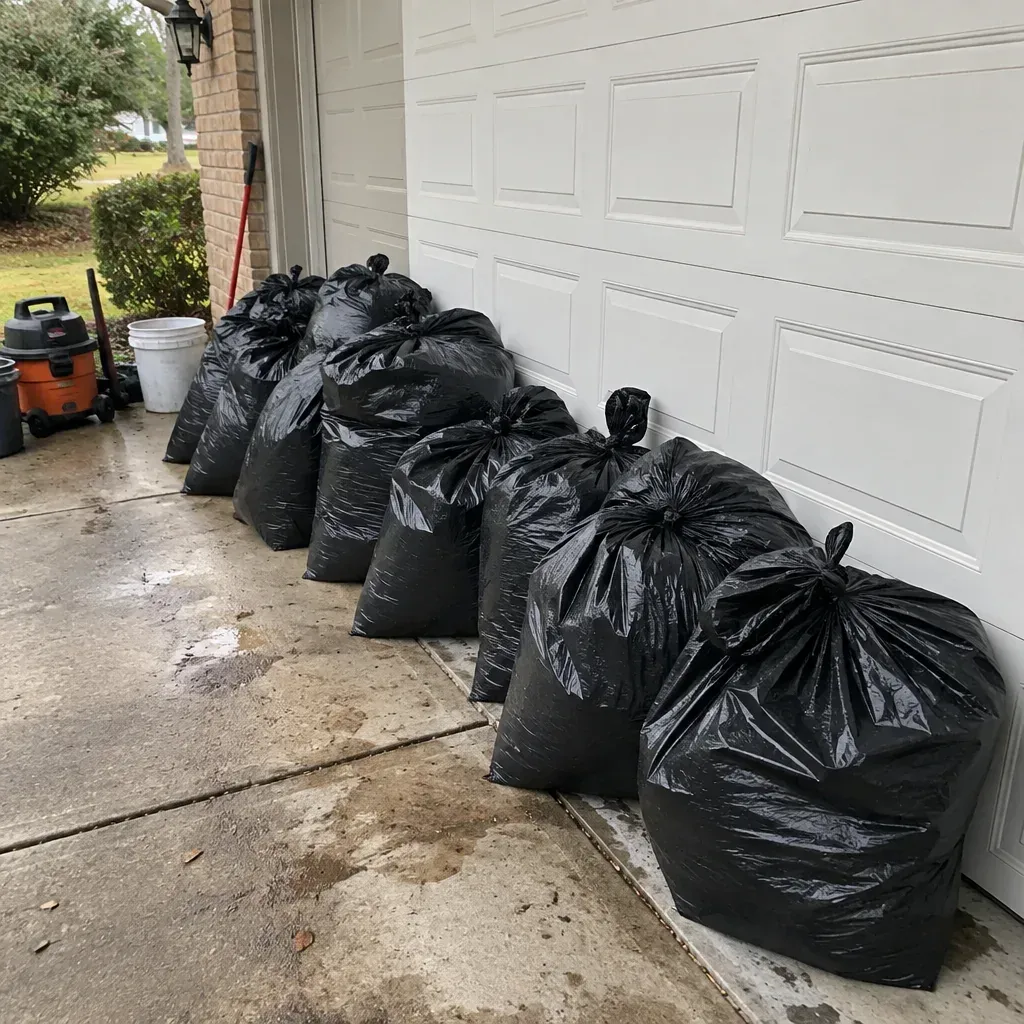
How soon can a sewage cleanup provider reach a Lawrence home? Learn what to report, what may affect scheduling, and what to confirm while waiting.
Read article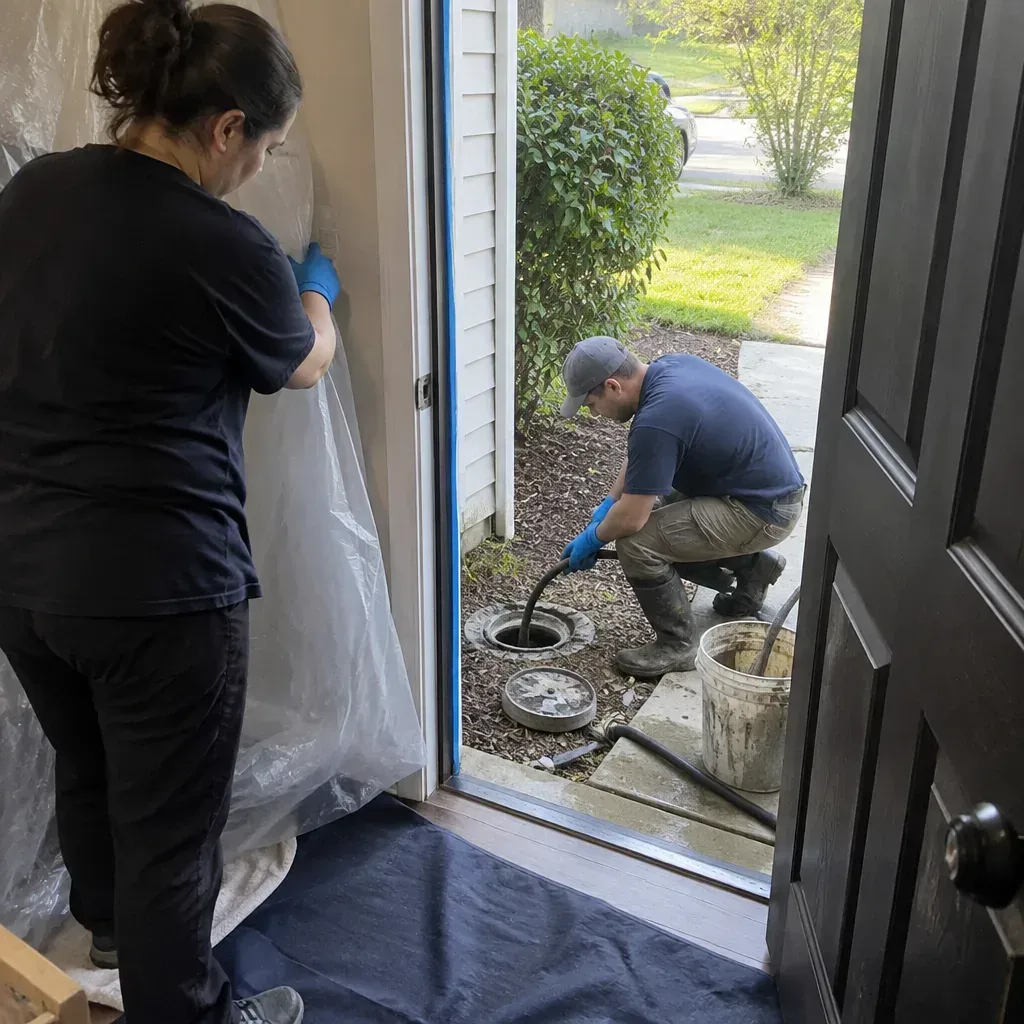
Can you stay in an unaffected part of your Lawrence home during sewage cleanup? See how room boundaries, access, and household needs shape the decision.
Read articleFirst check in Lawrence whether sewage is still entering; active flow may require a plumber to locate the blockage before indoor cleanup can proceed. Sewage can soak into porous flooring and wall materials, leaving contamination beyond the area where the blockage first appeared. Ask the pros we connect you with whether they can take the request, what could change the charge, and what written outline you will receive before work starts. That helps you compare the proposed work with the condition you reported, without assuming the cause or outcome.
Call (978) 501-8011