Sewer Backup Warning Signs in Lawrence
Start with the visible signs in order: sewage on a floor, absorbent materials that may have taken it in, a lingering smell, then damp areas that need drying. In Lawrence, check the edges of the wet area and nearby carpet, wallboard, or stored items; contamination can reach materials that do not look soaked. Hard surfaces may need cleaning even after visible sewage has been removed. Odor and dampness call for assessment, but neither tells you what caused the backup.
You may see wastewater at a floor drain, notice damage to stored items, or find a room wet before the cause is clear. Start with what you found, then follow how an assessment can shape the cleanup. A plumber may be needed to locate or repair the source of the backup.
In Lawrence, start with what you can see: sewage on a floor marks an area for assessment, while soaked carpet, padding, or other porous contents may need removal. A lingering sewer odor is another clue to include, even when visible residue is not the main concern. Check damp sections too, since affected building materials may need drying after sewage and residue are removed. Together, these signs help sort materials and surfaces for removal, cleaning, disinfection, odor treatment, or drying. They do not show what caused the backup; that requires a separate assessment.
Signs needing prompt cleanup
Act promptly if sewage continues to move, someone may enter the space, or soaked building materials still need assessment.
| Your Observation | What It Could Indicate | When to Take Action | Open the Guide |
|---|---|---|---|
| Sewage Visible Indoors On an indoor floor, it may form a shallow pool, a thin uneven sheet, or a streak where liquid has been dragged. The color can range from cloudy gray or brown to very dark. Edges may look ragged; the surface can appear dull, slick, or flecked with small bits of debris. Nearby flooring may look darker or glossy. | Visible sewage confirms wastewater is inside the building, but it cannot identify the failed line or establish the property's sewer connection. Wastewater may also surface at a floor drain, toilet, or sink during a backup. Keep people and pets away; have affected materials assessed for removal, cleaning, disinfection, and drying, while a plumber checks the source. A Little River or Kenoza Lake label cannot replace that assessment. | In Lawrence, sewage left on a floor can transfer onto nearby absorbent materials. Over hours or days, moisture may soak into flooring and trim, widening what needs assessment, removal, cleaning, and drying. A sewage odor can linger after the visible wastewater has been removed. | Ask on the call |
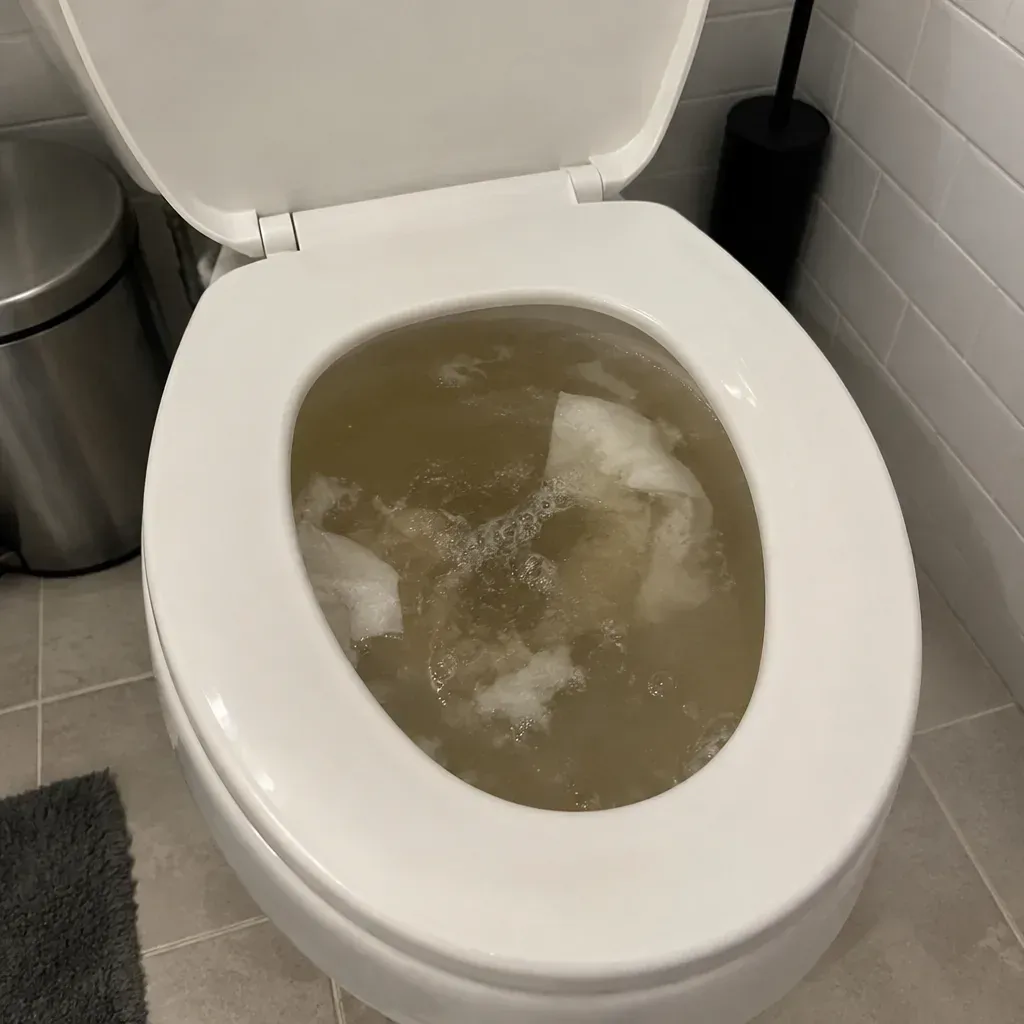
| Wastewater Backing Up From Drains In a Lawrence home, look for gray, tan, or brown water rising at a floor drain, tub, toilet, or another low fixture. It may gather in a shallow, cloudy pool or pulse upward in repeated surges. Nearby fixtures may drain slowly or bubble when water is used elsewhere. | A backup can leave contaminated water in connected plumbing even after the visible flow stops. Its appearance cannot identify the blockage or which materials are affected. Keep clear and arrange an assessment. The pros we connect you with address contamination indoors; a plumber diagnoses and repairs the source, whether you are near Essex Art Center or Great Stone Dam. | Water can spread across flooring within hours, reaching rugs, baseboards, and other absorbent materials. As it moves, the affected area may grow and require more material removal, cleaning, and drying. Moisture can seep below flooring and stay hidden after the surface appears dry. | Ask on the call |
| Multiple Fixtures Backing Up In a Lawrence building, look for liquid rising, pooling, or lingering at separate openings, such as a toilet bowl and a sink or tub drain. It may look cloudy or discolored, with bits of debris or a slick surface. The waterline can sit above the usual level, and damp marks may spread around the fixture base or across nearby flooring. | In Lawrence, wastewater backing up at several fixtures means more than one indoor outlet may be contaminated; it does not show how far it traveled. Check each outlet and nearby floors, then keep people and pets clear. Porous items may need removal, while affected surfaces are cleaned, disinfected, and dried. Whether you are near Bartlet Mall, Great Stone Dam, or the Merrimack River, a plumber can diagnose the backup source. | As discharge continues, it can wet more flooring and belongings with each release, extending the area that needs attention. Sewage may carry harmful germs. Avoid touching wet materials, since contact can spread contamination to other surfaces. | Ask on the call |
| Discolored Wastewater Indoors On a Lawrence floor, the water may look opaque or translucent, with tan, rusty brown, gray, or cloudy coloring. It can sit in a broad shallow patch or taper into a thin streak, with small flecks or a faint surface sheen. Its edge may be uneven; nearby grout or flooring can look darker and damp. | In Lawrence, brown or cloudy wastewater indoors is a warning to treat the area as contaminated; its color cannot identify a blockage, sewer connection, or responsible party. Note which rooms and surfaces were affected so the assessment can account for the full area. Avoid contact and tell the pros we connect you with what you observed. | Sewage left against absorbent flooring or trim can make those materials unsuitable to keep; moisture may worsen material damage over the following days. Photograph visible damage to flooring and trim before cleanup to document what was affected. | Ask on the call |
| Sewage Solids or Sludge on Surfaces In Lawrence, the deposit may appear as a dull smear, gritty specks, or soft, uneven clumps. It can look tan, gray, or brown, with wet areas catching light and dried edges appearing matte. Check floors, baseboards, and lower wall surfaces; the texture may look grainy, pasty, or crusted. Route 236 is a local reference point, not a clue to the mark’s appearance. | In Lawrence, solid residue or a sludge film on an indoor surface is a warning that sewage-contaminated water or debris reached it. The mark alone cannot identify the backup source or your property’s sewer connection. A residue mark can show where sewage-contaminated material contacted a surface, even when that material is no longer visible. | Residue can be tracked from a marked spot onto nearby surfaces during ordinary movement, while damp deposits may dry in place. In Lawrence, arrange an assessment promptly; a view of Little River or Winnekenni Park says nothing about a particular home’s sewer conditions. | Ask on the call |
| Wet Materials After a Sewage Backup Look for dark or gray-brown patches at a wall’s base, along floor edges, or around trim. Paint may blister, wrinkle, or lift; baseboards may bow or sit unevenly. The surface can feel cool, soft, tacky, or damp. In a Lawrence basement, check the wall face, corners, trim, and adjoining floor near Essex Art Center. | In Lawrence, wet baseboards or wallboard can show sewage traveled beyond the visible floor: absorbent material may hold contamination after surface water is gone. Check where dampness stops and whether it continues into adjoining materials, without touching them. Record which adjoining materials show dampness so cleanup can address the affected areas. | Moisture held behind paint or within absorbent material can persist after the surface feels dry. Over the following hours and days, more of the affected structure may need drying or removal. Lawrence’s storm-related CSO information describes system conditions, not what happened at your address. | Ask on the call |
| Sewage Returning After an Initial Backup A new patch of murky gray or brown water may gather at a drain or spread across the floor, sometimes carrying small debris. A damp, dark edge can mark the base of a wall near Lawrence Heritage State Park or elsewhere in the city. Nearby flooring may look glossy, with a slick sheen or gritty residue. | In Lawrence, sewage appearing indoors again means the space has been exposed again, even if it looked clear after the first cleanup. Keep people and pets out while the newly reached area is addressed. A recurring backup can point to a blockage or damaged section in the home’s sewer line that needs attention. | Fresh sewage can contaminate cleaned surfaces again, while moisture left in flooring or lower walls can spread through absorbent materials over the following hours. Backed-up wastewater can leave contamination in floor drains and plumbing fixtures, even when nearby surfaces appear clean. | Ask on the call |
Signs worth arranging an assessment for
The backup may have stopped, yet untreated sewage residue still needs attention.
| Your Observation | What It Could Indicate | When to Take Action | Open the Guide |
|---|---|---|---|
| Sewage Odor Indoors There is no visible outline, stain, or fixed color to sewage odor. You may notice a sharp, sour, or fecal smell in a room, hallway, or lower level; it can feel stronger near a drain and weaker across the room. The air itself may seem heavy, while nearby walls and ceilings look unchanged. | A sewage odor indoors is the smell you notice in the air. If it persists after airing or reaches beyond one room, have the area assessed; odor alone does not confirm a backup. The odor cannot show whether the building connects to a sanitary or combined sewer. The same address-by-address caution applies in Billerica and around Horn Pond Reservation. The pros we connect you with can assess contamination; a plumber checks the source. | In Lawrence, a lingering smell can mean residue remains on absorbent material after visible water is gone. Over the following days, that material may continue to affect indoor air; if left damp, building materials can stay wet and need drying after removal and cleaning. | Ask on the call |
| Stains After a Sewage Backup In Lawrence, this sign may be a brown, gray, or tan patch with an uneven edge, a narrow horizontal band, or scattered dark marks. It can sit low on a wall, along floor trim, or across a hard surface. The patch may look dull or streaked; its surface can feel dry, damp, rough, or smooth. | In Lawrence, inspect the stain’s edge, then the floor seam, trim, and wall above it. The mark can show where sewage touched; it cannot reveal what lies behind the visible surface. Absorbent materials may need removal if contaminated, while affected surfaces are cleaned and disinfected. Residue can collect along floor seams and trim after sewage reaches a room. | If affected material stays damp, moisture can remain in nearby surfaces while the stain persists. Damp materials may also develop a musty odor, which can be noticeable even when a stain appears small. | Ask on the call |
| Sewage Odor After Water Recedes In Lawrence, the sign is an odor rather than a mark: a stale, sharp sewer smell that hangs low and may be stronger near the floor than at head height. It can seem sour or sulfurous, then fade as you move between rooms. There may be no visible stain or standing water alongside it. | In Lawrence, a sewer-like odor that remains after water disappears can signal contamination in a part of the room you cannot see. Notice whether it is strongest near a drain, floor edge, or damp material, then have the area assessed. Nearby belongings can also be affected if contaminated water splashes onto them, even when the odor seems concentrated around a drain. | Odor can persist while contaminated residue or damp material remains, leaving contamination in the structure over the coming days. In Lawrence, have the affected space assessed promptly; keep people and pets out until it has been cleaned and checked. | Ask on the call |
Common Questions
What does sewage visible indoors mean?
Visible sewage confirms wastewater is inside the building, but it cannot identify the failed line or establish the property's sewer connection. Wastewater may also surface at a floor drain, toilet, or sink during a backup. Keep people and pets away; have affected materials assessed for removal, cleaning, disinfection, and drying, while a plumber checks the source. A Little River or Kenoza Lake label cannot replace that assessment.
What does wastewater backing up from drains mean?
A backup can leave contaminated water in connected plumbing even after the visible flow stops. Its appearance cannot identify the blockage or which materials are affected. Keep clear and arrange an assessment. The pros we connect you with address contamination indoors; a plumber diagnoses and repairs the source, whether you are near Essex Art Center or Great Stone Dam.
What does multiple fixtures backing up mean?
In Lawrence, wastewater backing up at several fixtures means more than one indoor outlet may be contaminated; it does not show how far it traveled. Check each outlet and nearby floors, then keep people and pets clear. Porous items may need removal, while affected surfaces are cleaned, disinfected, and dried. Whether you are near Bartlet Mall, Great Stone Dam, or the Merrimack River, a plumber can diagnose the backup source.
What does sewage odor indoors mean?
A sewage odor indoors is the smell you notice in the air. If it persists after airing or reaches beyond one room, have the area assessed; odor alone does not confirm a backup. The odor cannot show whether the building connects to a sanitary or combined sewer. The same address-by-address caution applies in Billerica and around Horn Pond Reservation. The pros we connect you with can assess contamination; a plumber checks the source.
What does discolored wastewater indoors mean?
In Lawrence, brown or cloudy wastewater indoors is a warning to treat the area as contaminated; its color cannot identify a blockage, sewer connection, or responsible party. Note which rooms and surfaces were affected so the assessment can account for the full area. Avoid contact and tell the pros we connect you with what you observed.
What does sewage solids or sludge on surfaces mean?
In Lawrence, solid residue or a sludge film on an indoor surface is a warning that sewage-contaminated water or debris reached it. The mark alone cannot identify the backup source or your property’s sewer connection. A residue mark can show where sewage-contaminated material contacted a surface, even when that material is no longer visible.
What does stains after a sewage Backup mean?
In Lawrence, inspect the stain’s edge, then the floor seam, trim, and wall above it. The mark can show where sewage touched; it cannot reveal what lies behind the visible surface. Absorbent materials may need removal if contaminated, while affected surfaces are cleaned and disinfected. Residue can collect along floor seams and trim after sewage reaches a room.
What does wet materials after a sewage Backup mean?
In Lawrence, wet baseboards or wallboard can show sewage traveled beyond the visible floor: absorbent material may hold contamination after surface water is gone. Check where dampness stops and whether it continues into adjoining materials, without touching them. Record which adjoining materials show dampness so cleanup can address the affected areas.
What does sewage odor after water recedes mean?
In Lawrence, a sewer-like odor that remains after water disappears can signal contamination in a part of the room you cannot see. Notice whether it is strongest near a drain, floor edge, or damp material, then have the area assessed. Nearby belongings can also be affected if contaminated water splashes onto them, even when the odor seems concentrated around a drain.
What does sewage returning after an initial Backup mean?
In Lawrence, sewage appearing indoors again means the space has been exposed again, even if it looked clear after the first cleanup. Keep people and pets out while the newly reached area is addressed. A recurring backup can point to a blockage or damaged section in the home’s sewer line that needs attention.
Check Which Materials Show Sewage Contact
Start with the sign you noticed in your Lawrence property: sewage at a drain, damp flooring, residue, or odor. Record its location and the materials nearby that may have been exposed; do not enter or handle contaminated areas, and keep people and pets out. Ask the pros we connect you with to assess the affected rooms and explain what needs removal, cleaning, disinfection, and drying. Request a written description of the work and clarify any visit charge or separately billed task. A plumber may be needed for the backup source.
Call (978) 501-8011