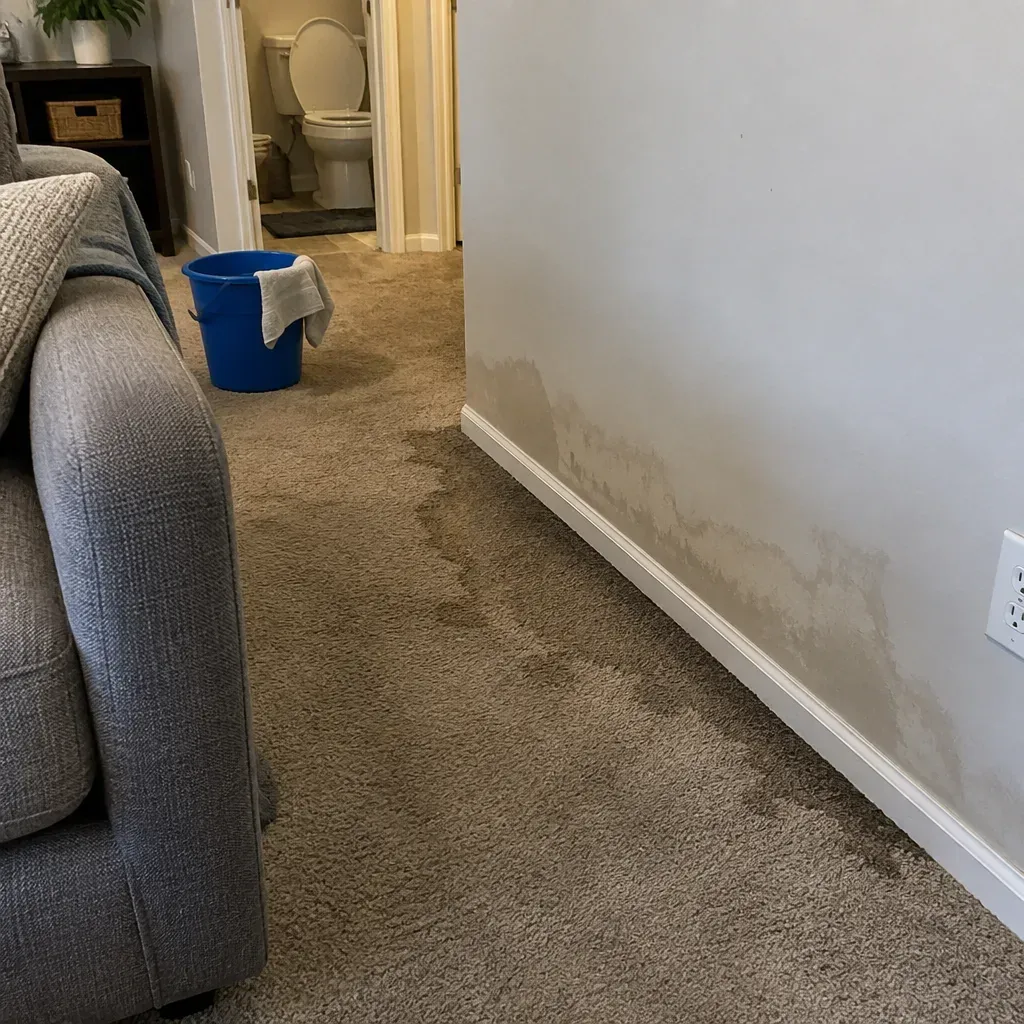
Where Contamination Can Travel
In Lawrence, note whether the backup began during wet weather and share that timing with the assessor. The city has combined sewer areas, but that fact does not establish your home’s connection or explain the incident. Keep the cleanup review centered on the rooms and materials inside your home.
Room finishes and contents are part of the indoor review alongside visible signs. Map the doorways and transitions where you observed signs, then ask for each connected space to be assessed on its own.
A Lawrence mailing address does not establish whether a cleanup provider serves the property, and county lines may not match service areas. Share the building’s location with the pros we connect you with so they can check availability before discussing the affected interior.
Cleaning and Disinfecting Surfaces
- Room links
- Doorway and threshold observations help the assessment account for transitions between connected rooms.
- Material condition
- Access is controlled so movement through the home does not carry residue into cleaner spaces.
- Work order
- Absorbent contents may hold contamination even when their outer surface looks unchanged.
- Drying points
- Product directions govern disinfectant use, including safety instructions and the time it must remain on a surface.
- Backup source
- Indoor cleanup addresses contamination; a plumber investigates or repairs the pipe or blockage.
- Material Review
- Indoor temperature and humidity shift with the seasons, changing how quickly damp building materials release moisture. In Lawrence, drying decisions should follow readings from affected rooms and materials, rather than a calendar estimate or the season alone.
- CLEANING PLAN
- an estimated $3,500–$6,500
When Rainwater Finds Another Route
Sewer line repair restores or clears the pipe that carries wastewater. A clean indoor surface does not establish that the sewer line has been repaired. Compare the written scopes and closeout notes. Cleanup records should identify the indoor rooms assessed, material decisions, surface treatment, and drying needs. Plumbing records should describe investigation or work on a pipe or blockage. When both are needed, each document should make its part clear.
Preparing Surfaces Before Structural Drying
The pros we connect you with compare the room sketch with the visible condition of each connected space, checking transitions, finishes, and contents. The surface material helps determine which cleaning approach is suitable for that area. The assessment defines the indoor cleanup scope; it does not diagnose the sewer line.
The pros we connect you with plan movement through the rooms so workers and equipment do not carry residue back into cleaner spaces. They handle affected contents and debris within the controlled work area, then record room-specific findings and moisture conditions. If the backup source still needs attention, a plumber addresses that separate work.
First confirm the discharge has ended; cleanup cannot close out while new wastewater is arriving. A limited, reachable area may be cleared in one visit when affected contents and surfaces can be treated and moisture checked. Material removal or continued drying can extend the plan. Restoring the sewer line is separate plumbing work.
WHAT RESTORATION CAN DO BEFORE OTHER TRADES TAKE OVER
| Sewage Extraction |
Record Damage Details |
|---|
| Low-volume backup, modest cleanup scope | Contaminated material removal |
| Contamination recurring where sewage was removed | Sewage extraction |
| Several material types need cleanup assessment | Draw out sewage; strip soiled materials, disinfect, air-dry |
Keep Claim Papers With Your Cleanup Notes
From a clean, dry location, sketch the rooms and doorways, mark where the backup appeared, and note visible contact on materials without touching them. Keep household members and pets out of suspect spaces. Do not move belongings between rooms or apply cleaner to residue; wait for an assessment to set the work sequence and determine what can be handled safely.
Safer Conditions During Cleanup Work
Sewage is a health hazard, not merely an odor issue: pathogens may remain on contacted materials after the liquid is gone. Do not use smell or a dry-looking doorway to decide an adjoining room is safe. Keep household activity on an unaffected route, and leave suspect materials alone until assessment and cleanup are complete. Lawrence’s citywide sewer descriptions do not establish what is safe inside any one home.
What Must Be Isolated Before Work Starts?
Request a written estimate linking the cleanup area and disposal decisions to surface treatment, odor work, and how much building material needs drying.In Lawrence, the guide range covers cleanup when sewage reaches absorbent materials that may need removal; assessment determines what must come out before remaining surfaces are disinfected and dried. It excludes sewer-line diagnosis or repair. Confirm any visit charge and the written scope for affected areas with the pros we connect you with before arranging cleanup.Consult the pricing guide to see the full span and how removal or drying affects scope.