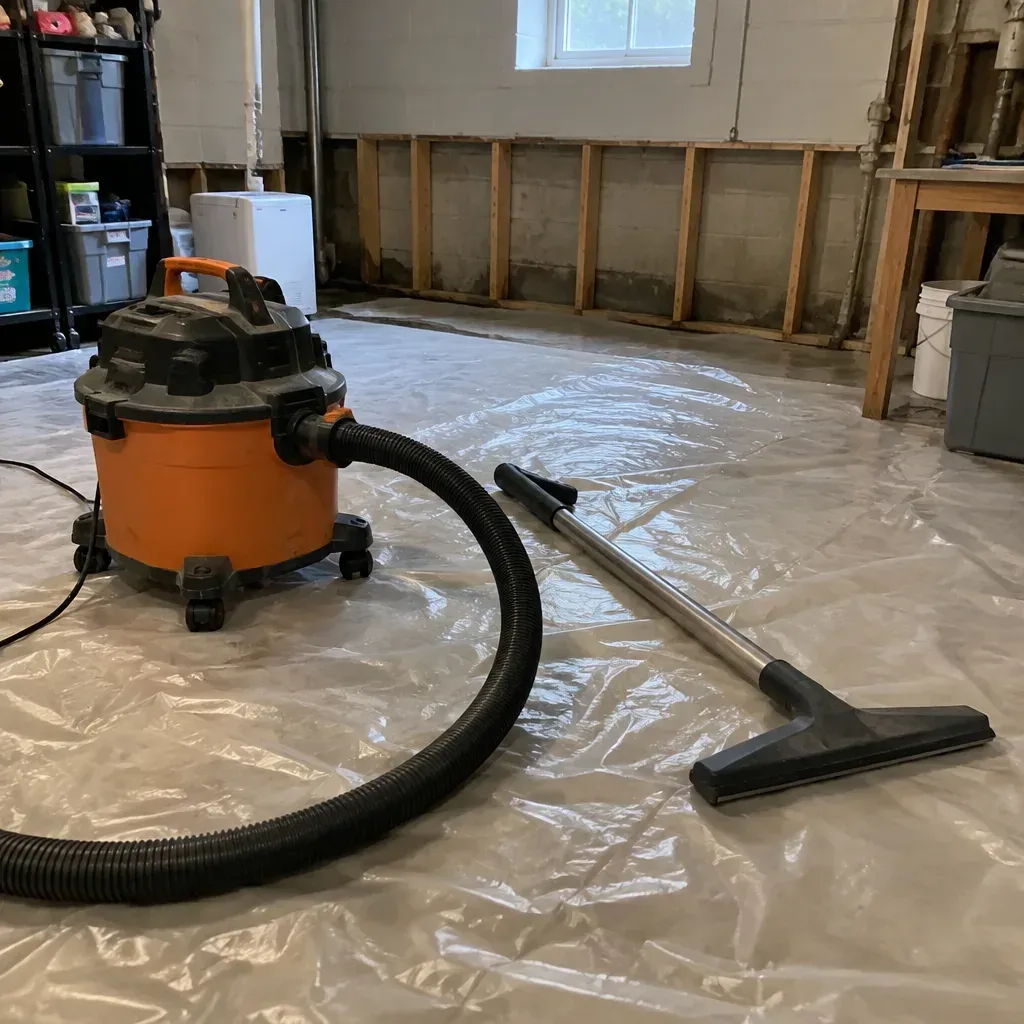
Why Absorbent Finishes May Need Removal
The indoor point where water appears does not by itself show whether the problem began in a building drain or farther along the sewer connection. Whether you are in Lawrence, Lowell, or Billerica, confirm the property's sewer arrangement before drawing conclusions about exposure or its source.
A backup can affect belongings as well as hard surfaces, so cleanup depends on what the sewage reached. For cleanup, the affected rooms and materials determine what needs attention, while a plumber investigates the backup source.
A Lawrence mailing address does not establish whether a cleanup provider serves the property, and county lines may not match service areas. Share the building’s location with the pros we connect you with so they can check availability before discussing the affected interior.
Cleaning and Disinfecting Surfaces
- CONTACT ROUTE
- Contaminated residue can spread when clothing or tools carry it beyond the original spill.
- EXTRA CARE
- Keep shoes, tools, and belongings from crossing between the affected room and clean areas; tracking residue can spread contamination through the home.
- KEEP CLEAR
- A clean route around affected rooms limits the chance of carrying residue on shoes or belongings.
- HEALTH ADVICE
- Record when and how contact may have happened to help explain the situation when seeking medical advice.
- LOCAL CONTEXT
- Lawrence documents sanitary and combined sewer infrastructure; references to the Merrimack River and Great Stone Dam cannot show a home's connection or exposure.
- Room Separation
- In Lawrence, cold indoor conditions may slow drying after sewage is removed, while warmer air can speed evaporation. Neither makes residue safe to touch; keep the affected space restricted until its condition has been assessed.
- MATERIAL REVIEW
- an estimated $3,500–$6,500
When Rainwater Finds Another Route
Stormwater flooding can leave wet, dirty floors that resemble a sewer backup. Where the water appeared, such as at a plumbing fixture or from outside, helps distinguish the situations; appearance alone cannot identify its source. From a clean location, note whether wastewater appeared at a drain or plumbing fixture, or came into the building from outside. That observation can help distinguish a sewer backup from other indoor water, but a plumber must investigate the source.
How Sewage Exposure Shapes Material Decisions
The licensed pros we connect you with document visible damage before contaminated materials are handled. This boundary helps limit movement of liquid and debris through doorways and hallways. The cleanup assessment then identifies which materials need removal, which surfaces need disinfection, and what parts of the structure require drying.
Porous materials that have absorbed sewage may need removal because residue can remain within them. Professionals clean and disinfect affected surfaces that remain, then dry the structure to reduce lingering moisture. This sequence addresses contamination before drying, while odor treatment may follow when affected materials and surfaces have been handled.
Plan duration around what remains after extraction, not just what is visible. When contents can be removed and the structure needs no further moisture work, one visit can finish cleanup. Sewage held in porous materials or a damp structure can require return checks as drying proceeds. A plumber addresses the line; cleanup addresses affected indoor materials.
HOW CLEANUP TASKS COMPARE WITH WORK THAT FOLLOWS
| Material Disposition |
Check Drying Progress |
|---|
| Brief overflow, contents largely spared | Sewage extraction |
| Wastewater traces resurfacing after cleanup | Structural drying |
| Contamination crosses contents and finish layers | Lift sewage waste; remove affected items, sanitize, dry |
CONTAMINATION CONTROLBefore cleanup begins, note visible conditions and any areas that may need assessment. The available facts identify no Massachusetts cleanup license, job-specific code, or required invoice format. Request a written scope and a record of affected materials and completed work.
How Backup Water Affects Building Layers
Standing wastewater can swell wood trim, soften paper-faced wallboard, and travel into concealed joints. Once it moves behind finishes, assessment may extend beyond the visible puddle, with drying or selective opening needed. A plumber can investigate a continuing backup source.
Protect People and Pets From Sewage
From a clean, dry area, mark which rooms are off limits and tell household members to stay clear. You can describe what you saw without entering or handling sewage. Do not try to clean the affected area; leave its assessment and disinfection to cleanup professionals, and contact a medical professional about possible exposure.
Safer Conditions During Cleanup Work
Treat sewage as a contamination hazard, not merely an unpleasant smell: pathogens may remain in wet residue on floors and belongings, then spread on hands to food or shared surfaces. Keep the affected room closed to household traffic and pets until it has been assessed. If contact may have occurred, seek advice from a healthcare provider.
Which Materials May Need Removal?
Before work begins, ask which contents and building layers change the scope, and how extraction, disinfection, and moisture removal appear in the estimate.In Lawrence, the guide range covers cleanup when sewage reaches absorbent materials that may need removal; assessment determines what must come out before remaining surfaces are disinfected and dried. It excludes sewer-line diagnosis or repair. Confirm any visit charge and the written scope for affected areas with the pros we connect you with before arranging cleanup.Consult the pricing guide to see the full span and how removal or drying affects scope.