Where Contamination Can Travel
Lawrence documents combined sewer infrastructure in older service areas and storm-related overflows. Wet-weather conditions can strain combined sewer capacity, but that citywide context does not explain a particular indoor backup. For a home near the Merrimack River, the cleanup estimate still depends on the conditions found inside that property.
Sewage cleanup may involve affected belongings as well as building materials. That systemwide context can make wet-weather conditions relevant, but it cannot tell you whether a particular property connects to that network. Near Great Stone Dam or the Merrimack River, cleanup cost still depends on what sewage reached indoors and which materials need removal.
Homes and small businesses in Lawrence and across Essex can both need sewage cleanup. Sewage cleanup may involve contaminated materials as well as wastewater in the affected space.
Choosing Materials for Removal
- AREA REACHED
- The depth and spread of standing wastewater affect extraction effort and the equipment needed to remove it.
- SURFACE TYPE
- Surface condition and the kind of finish determine whether cleaning and disinfection are sufficient or more work is needed.
- WASTE LIFT
- A confined route or crowded work area can add time for equipment setup and moving items safely.
- MOISTURE
- Moisture checks can reveal a need for structural drying after the visible sewage has been removed.
- LOCAL CONTEXT
- Indoor cleanup may involve checking which surfaces absorbed water before choosing how to dry or remove affected materials.
- Material Review
- Rain can place added demand on Lawrence’s combined sewer infrastructure, but season alone cannot predict a home’s cleanup scope. The estimate depends on what entered the property and the indoor conditions when assessed, whether the visit follows wet weather or a dry stretch.
- CLEANING PLAN
- an estimated $2,700–$6,800
Tracing a Leak Above the Affected Room
Plumbing repair cost. It can arise from the same backup, but cleanup pricing covers treatment of sewage and affected parts of the structure, while plumbing work addresses the pipe or blockage that allowed the backup. Compare the work descriptions. A cleanup scope lists tasks inside the structure, such as sewage extraction, surface treatment, or drying. A plumbing scope describes work to locate or repair the blockage or sewer line. The two may follow the same event, but they address different parts of the problem.
Keeping Cleanup Work Within Its Boundary
The provider first surveys the affected spaces, surfaces, and building materials, then identifies where work must occur and what equipment can reach it. Sewage is extracted, and contaminated debris is handled for removal. The size and access of the work area influence setup and labor, so the assessment forms the basis of the cleanup scope.
The pros we connect you with first trace how sewage moved through the rooms and separate the work area. They keep waste and cleaning tools from crossing into areas that were not affected. They check floors and walls for moisture and dry the materials that need it; the spread and materials involved shape the work.
First confirm the discharge has ended; cleanup cannot close out while new wastewater is arriving. A limited, reachable area may be cleared in one visit when affected contents and surfaces can be treated and moisture checked. Material removal or continued drying can extend the plan. Restoring the sewer line is separate plumbing work.
THE LINE BETWEEN CLEANING AFFECTED AREAS AND REPAIR
| Sewage Extraction |
Record Damage Details |
|---|
| Shallow intrusion, minor finish damage | Surface disinfection |
| Sewage residue returning on treated surfaces | Surface disinfection |
| Backup residue leaves no clear clean boundary | Extract sewage, clear tainted contents, disinfect, dry |
ROOM SAFEGUARDSMassDEP and Massachusetts public health guidance warn that sewage and floodwater may contain pathogens and recommend protective precautions during cleanup. Massachusetts does not issue a state license for this cleanup work. Use protective precautions during material handling and surface treatment, not just while removing water.
Moisture Left Within Room Materials
If sewage remains in contact with floors, walls, or belongings, the affected area can grow and more building material may require treatment or removal. Delay can also leave moisture in the structure, extending the drying work. The longer contact continues, the more tasks may be needed to return the indoor space to use.
Check Before Changing Sewer Flow Controls
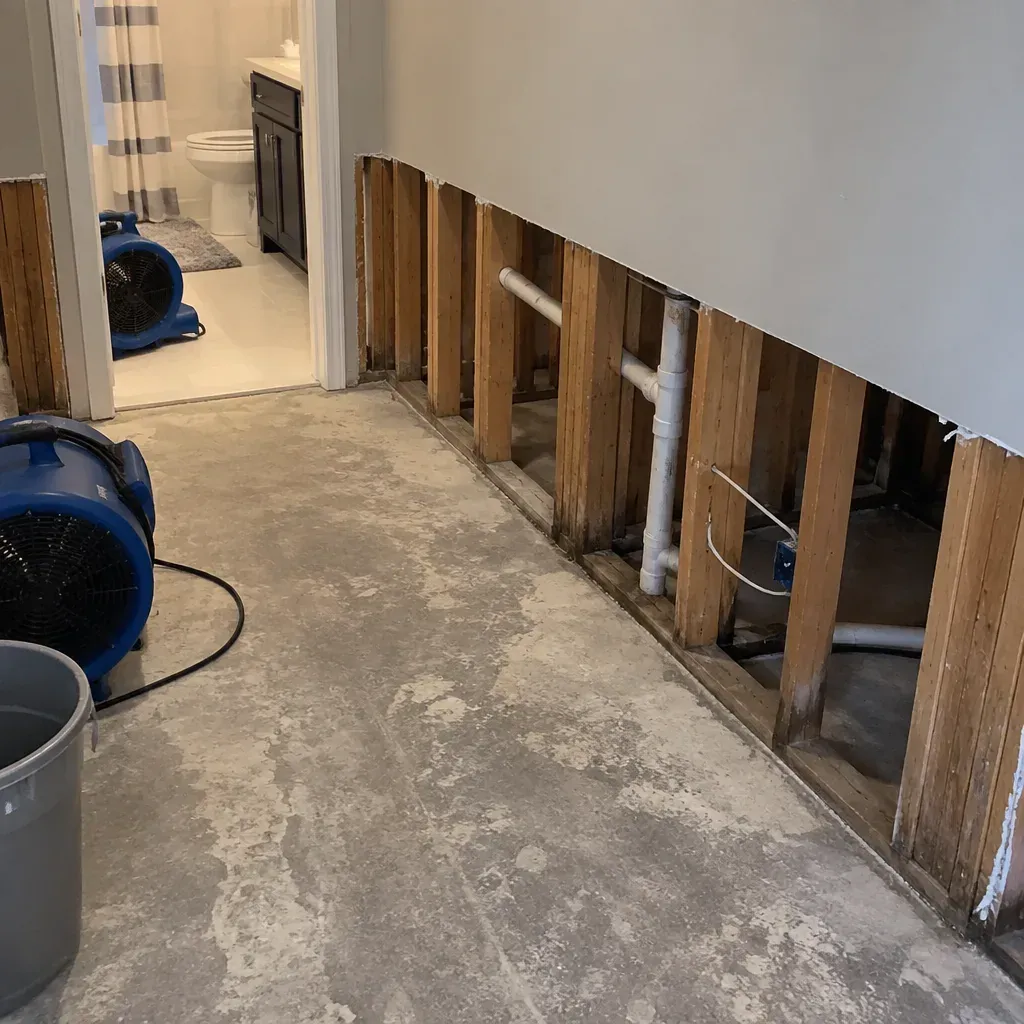
Do not pull carpet, pad, or baseboards to see how far sewage traveled. Lifting absorbent material can expose more contaminated surfaces and make later handling harder. Leave removal decisions to the cleanup assessment, which can distinguish what may be cleaned from what needs to come out. Stay out of the affected work area.
Separating Work Areas From Clean Rooms
Treat sewage as a health hazard, and keep the work area closed while it is assessed and cleaned. Do not walk through the water or handle affected belongings; contact can happen through skin, eyes, or contaminated objects. Cleanup workers use protective precautions, and disinfectants must follow their labels, including contact time. Keep children and pets out until the area is safe to use.
What Must Be Isolated Before Work Starts?
Request a written estimate linking the cleanup area and disposal decisions to surface treatment, odor work, and how much building material needs drying.In Lawrence, the guide range covers cleanup when sewage reaches absorbent materials that may need removal; assessment determines what must come out before remaining surfaces are disinfected and dried. It excludes sewer-line diagnosis or repair. Confirm any visit charge and the written scope for affected areas with the pros we connect you with before arranging cleanup.Consult the pricing guide to see the full span and how removal or drying affects scope.