Restaurant Cleanup
Restaurant Food Service Cleanup
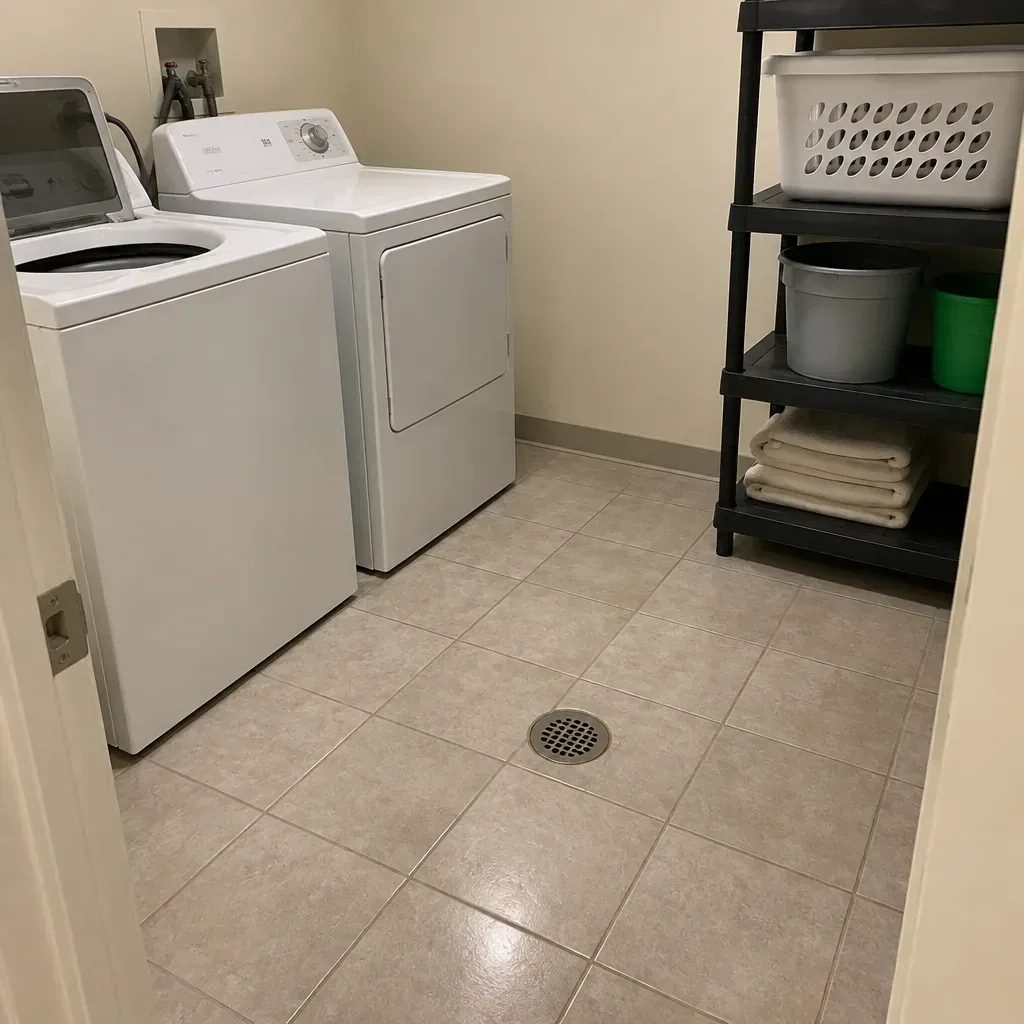
Coordinate office sewage cleanup around tenant access, building operations, and clear facilities records in Lawrence.
In an office, cleanup starts with restricting access and containing the affected zone. The team removes sewage, handles materials that cannot be cleaned, disinfects affected surfaces, and dries the structure. Facilities staff coordinate room access, tenant notices, and alternate work areas.
Start with the rooms where sewage appeared, then trace what lies beyond them: shared corridors, workstations, meeting rooms, and routes staff still need. In Lawrence, this map helps you and the cleanup professional weigh which operations can continue and where temporary changes may be needed. Commercial sewage cleanup also depends on the materials reached and the work required in each area. Record the limits that matter to your office, such as quiet hours, secure rooms, scheduled visitors, or equipment that cannot be moved easily.
Give the site record a clear starting point: building name, floor, room, and the person who reported the office sewer backup. Note what is visible and when it was observed, then mark nearby rooms that need assessment rather than assuming they are affected. Lawrence facilities teams can use familiar landmarks such as Lawrence Heritage State Park or the Great Stone Dam as orientation references when distinguishing properties in a portfolio. Keep observations separate from confirmed findings so later decisions have a reliable basis.
Treat the affected room as closed until it has been assessed and cleaned. Sewage and debris can carry harmful contaminants, so staff should not enter to retrieve files, move furniture, or take pictures. In Lawrence, tell reception and building security which entrance or internal door needs to stay clear, and give them a simple way to direct visitors elsewhere. Keep the restriction in place while the work area is being evaluated; a nearby open office does not establish that the affected space is safe to use.
Ask how the work zone will be separated from occupied office space and how workers and removed material will move through the building. Barriers and a planned route can help contain debris while limiting interference with clean corridors and shared facilities. In Lawrence, compare that route with deliveries, accessible entrances, and scheduled meetings before work begins. The plan should identify any doors that need controlled access and who can approve a change if building activity makes the route impractical.
Choose one facilities lead to coordinate building access and receive progress updates. That person can arrange keys or escorts, alert security, and give tenants a consistent account of which rooms are unavailable. Ask the pros we connect you with what decisions they need from the site and when they expect to need them. In Lawrence, include building operations staff who manage ventilation, cleaning, or room bookings, since their schedules can affect where equipment is placed and which spaces remain usable.
| Work area | Cleanup plan | Work impact |
|---|---|---|
| Room locator | Building, floor, suite, and room | Pinpoints affected space for facilities staff |
| Work boundary | Rooms isolated during sewage removal | Shows where staff and tenants must stay clear |
| Usable route | Open corridor, stair, or entrance | Helps direct occupants around the work zone |
| Team impact | Departments and shared rooms affected | Identifies work that may need another space |
| Office contents | Furniture, files, and equipment exposed | Supports decisions to move, clean, or remove items |
| Building services | Restrooms, lifts, or utilities with limited access | Flags dependencies for building operations |
| Work timing | Tasks affected by noise or occupant access | Helps coordinate cleanup with office use |
| Local reference | Merrimack River, Great Stone Dam, Lawrence Heritage State Park | Local context does not confirm a building's sewer connection or backup history |
Have the assessment connect each affected surface or item to a proposed action. Carpet, upholstered furniture, paper files, and porous wall material may retain sewage where wiping cannot reach; some items may need removal, while other surfaces can be cleaned and disinfected. The right choice depends on the contamination found in that room. For an office in Lawrence, identify records or equipment that need a business continuity decision, but leave handling and salvage decisions to the site plan and appropriate specialists.
After sewage and materials designated for removal are cleared, affected surfaces can be cleaned and disinfected. Ask which spaces and surfaces are included, and whether the product directions require a contact period or particular safety steps before the area can be used again. That detail helps you avoid reopening a room while treatment is underway. In Lawrence, coordinate the planned access window with tenant schedules and cleaning staff so routine work does not bring people into a treated area too soon.
Moisture can remain in flooring edges, lower walls, or other building materials after visible contamination is removed. Drying equipment may take up floor space, add noise, and require access to power, so confirm its proposed placement before staff return to adjacent desks. For a Lawrence office, ask how equipment may affect nearby work and what changes would prompt a revised plan. Drying addresses moisture in the structure; it does not by itself establish that a room is ready to reopen.
If the incident touches more than one office, floor, or property, assign each affected area a distinct identifier before records and decisions start to overlap. A portfolio file might distinguish a Lawrence property from another site by building name and floor, then link each room to its own access restrictions and work notes. Do not assume the same sequence fits every location: occupancy, layout, and affected materials can differ. A shared overview can show dependencies while each site keeps its own working record.
Make tenant notices specific enough to change someone’s next move. Name the closed room or door, point to an available route, and identify the facilities contact for access questions. If work affects a conference room, tell schedulers which bookings need relocation; if it affects a shared corridor, explain where foot traffic should go. In Lawrence, coordinate the wording with building security and reception so visitors hear the same directions. Update the notice when access conditions change, rather than relying on an earlier message.
When it is safe to do so, photograph room conditions and affected materials before they are moved, and note the observation time and who recorded it. Pair those images with a room list and the decisions made about removal, cleaning, or drying. These records can help facilities staff explain the interruption and support an insurance review, though they do not establish coverage. If a Lawrence site is near Essex Art Center, use the property’s own building and room labels in the file instead of relying on a landmark as its identifier.
Keep the file usable by someone who was not present during the incident. For each room, connect the initial observation to later access limits, material decisions, and cleanup activity; label photos so they can be matched without guesswork. A Lawrence facilities lead can also record which department moved, which meeting space was unavailable, and when notices changed. Separate confirmed work from pending questions, such as whether a particular item can remain. This makes the operational record clearer without treating it as a cleanup completion report.
Office sewage cleanup addresses contamination and damage inside the building. It does not identify or repair the cause of the office sewer backup; a plumber handles diagnosis and sewer-line repairs. Keep those workstreams coordinated, since cleanup planning depends on the affected spaces while plumbing work concerns the source. In Lawrence, ask who will share updates if plumbing access changes the cleanup sequence, and record the answer with the facilities file. Do not reopen an affected room solely because the suspected source has been addressed.
Before arranging work, prepare a floor plan or room list, note current access limits, and identify the building contact for tenant coordination. Then ask the pros we connect you with how they would contain the affected zone, route people and materials, and fit work around essential office functions. For a Lawrence property, share any relevant security or operating constraints and ask what information they need to assess multiple rooms or locations. That conversation gives you a practical basis for scheduling and keeping occupants informed.
Commercial sewage cleanup costs can change when a contained work zone blocks a conference room, shared corridor, or tenant suite needed for daily work. In a Lawrence office, map which teams can relocate and which functions depend on a particular room before setting the work sequence. If staff travel along Route 236, communicate entry changes early so arrivals do not cross the cleanup route. For organizations with offices in Haverhill or Lowell as well, keep each site’s access plan distinct. The assessment and drying needs determine how long spaces remain unavailable.
For a building with sewage damage, use the community list to check where the pros we connect you with may take cleanup requests, includingLawrence, Haverhill and Lowell. Find out whether an assessment has a separate charge, and have the pros we connect you with check that they cover your address.
A business estimate often starts with one attendance and scales with the area that needs attention and any planned return checks. $7,000–$14,000 is a guide, while the sewage volume, materials that need removal, and access for safe handling shape the cleanup scope.For a Lawrence business, price can shift when sewage reaches different types of spaces: floors, wall finishes, and fixed equipment each change the cleanup task list. When calling, describe the rooms affected, what sewage reached, and which spaces need to return to use first.Use pricing guide to see what changes a cleanup estimate; commercial overview describes how commercial sewer-backup cleanup is organized across a building.
Restaurant Food Service Cleanup
Hotel Cleanup Records
Retail sewage cleanup
Have building operations identify work that can move and rooms that must close, then give the cleanup professional the floor plan and access limits. The team can contain the affected zone, extract sewage, remove materials that cannot be cleaned, and clean, disinfect, and dry remaining surfaces. Keep staff and tenants outside the work area. Share schedule changes through one facilities contact so occupants know which routes and rooms remain available.
Keep a facility record with the report time, affected suite names, access restrictions, occupant notices, and decisions about moving work. Add dated photographs when safe, plus the assessment and work notes from the cleanup professional. This gives facilities staff a clear account of how the disruption changed and which rooms were treated or dried. For a claim, ask the insurer which records it needs; coverage depends on the policy.
For offices in Lawrence and elsewhere, assign a facilities contact at each address and keep separate floor plans, room labels, access rules, and operating schedules. That lets the cleanup professional coordinate the affected site without mixing its records with another building’s. Track tenant notices and room closures locally, then share only the information needed to coordinate work across the organization.
Coverage depends on the policy and the insurer’s review. Preserve dated photos, the affected-material notes, and the cleanup professional’s assessment and work records. Ask the insurer what documentation it needs and whether it wants to inspect before materials are discarded. The cleanup team can describe the work performed, but it cannot determine coverage.
Prepare the affected-room list, access limits, and operating schedule, then discuss containment and coordination with the pros we connect you with.
Call (978) 501-8011